Heat Pump Cost by House Type: What You Will Pay in 2026
The short answer
- £10,000 to £14,500 installed for a 1 to 2 bed flat, up to £14,000 to £19,500 for a 5-bed detached house
- £7,500 grant for every house type in England and Wales, or £9,000 for oil or LPG homes until 31 March 2027
- £666 a year for a 3 bed semi on a heat pump tariff against £877 on gas, but more than gas on a standard tariff
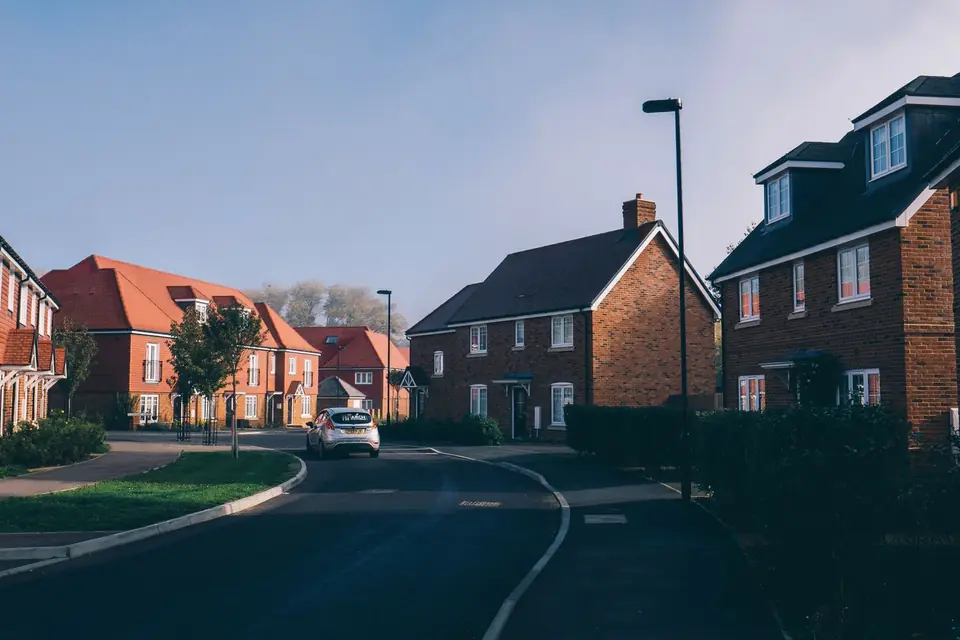
What a heat pump costs depends mostly on the size of heat pump the home needs, and that follows its heat demand more than its label. Across the common house types, the installed prices recorded under the Boiler Upgrade Scheme run from £10,000 to £14,500 for a 1 to 2 bed flat to £14,000 to £19,500 for a 5-bed detached house, including the cylinder, labour and VAT. The £7,500 Boiler Upgrade Scheme grant applies to every house type in England and Wales and takes those down to £2,500 to £7,000 and £6,500 to £12,000. This guide gives the heat pump size, installed cost, cost after the grant and yearly running cost for 11 common house types, all from one published model, so you can budget with real figures.
Cost summary by property type
Installed costs run from £10,000 to £14,500 for a 1 to 2 bed flat to £14,000 to £19,500 for a 5 bed detached. The £7,500 grant comes off every one.
Read the detail
| Home | Heat pump size | Installed cost | After £7,500 grant | After £9,000 grant (oil, LPG) | Heat pump tariff, a year |
|---|---|---|---|---|---|
| 1 to 2 bed flat | 4.5 to 6 kW | £10,000 to £14,500 | £2,500 to £7,000 | £1,000 to £5,500 | £430 |
| 2 bed mid-terrace | 5.5 kW | £10,000 to £14,000 | £2,500 to £6,500 | £1,000 to £5,000 | £424 |
| 3 bed mid-terrace | 8 kW | £10,500 to £15,000 | £3,000 to £7,500 | £1,500 to £6,000 | £593 |
| 3 bed end-terrace | 8.5 kW | £11,000 to £15,500 | £3,500 to £8,000 | £2,000 to £6,500 | £624 |
| 3 bed semi | 9 kW | £11,000 to £15,500 | £3,500 to £8,000 | £2,000 to £6,500 | £666 |
| 3 bed detached | 9.5 kW | £11,000 to £15,500 | £3,500 to £8,000 | £2,000 to £6,500 | £708 |
| 4 bed semi | 12.5 kW | £13,000 to £18,000 | £5,500 to £10,500 | £4,000 to £9,000 | £981 |
| 4 bed detached | 12 kW | £12,500 to £18,000 | £5,000 to £10,500 | £3,500 to £9,000 | £884 |
| 5 bed detached | 16 kW | £14,000 to £19,500 | £6,500 to £12,000 | £5,000 to £10,500 | £1,181 |
| 2 bed bungalow | 7.5 kW | £10,500 to £15,000 | £3,000 to £7,500 | £1,500 to £6,000 | £557 |
| 3 bed bungalow | 9.5 kW | £11,000 to £15,500 | £3,500 to £8,000 | £2,000 to £6,500 | £696 |
The data behind this table
Installed cost is the middle half of air source heat pump installations recorded under the Boiler Upgrade Scheme for a heat pump of that size (DESNZ Boiler Upgrade Scheme statistics, August 2026, Tables A1.3A and Q1.1A), and includes the heat pump, hot water cylinder, controls, labour and VAT. Radiator upgrades can add to it where needed. The £9,000 grant is for homes heated by oil or LPG with no mains gas connection, until 31 March 2027. Heat pump sizes from our heat model at 1,100 hours a year at full output. Running costs are on a heat pump tariff at 18.7p/kWh effective, a tariff such as Cosy Octopus with most heating in the cheap hours, with a seasonal efficiency of 2.78, the median measured in the government's Electrification of Heat trial, at the Ofgem cap for October to December 2026. Average insulation; the flat row is a 2-bed flat. On a standard electricity tariff the same homes cost a little more to run than a gas boiler.
Use our heat pump calculator for a personalised estimate based on your property type, bedrooms, insulation level and current heating, or our heat pump size guide to see how the size is worked out.
What is included in the installed cost?
The heat pump, cylinder, controls, pipework, labour and VAT are all included. Radiator and pipework upgrades often are but not always, so ask whether they are in your quote.
| Item | In the recorded job cost? | When needed |
|---|---|---|
| Heat pump, cylinder, controls and labour | Yes | Every installation |
| Radiator upgrades | Often, but not always; ask | Most older homes with radiators sized for a boiler |
| Pipework modifications | Often, but not always; ask | If existing pipework is microbore or undersized |
| Base or wall bracket for the outdoor unit | Usually | Most installations need one |
| Underfloor heating | Not usually | Optional; works well with heat pumps |
Read the detail
The installed costs above are what installers recorded on the MCS certificate for jobs paid through the Boiler Upgrade Scheme. The government says they include the cost of the system itself, labour and VAT. In practice that is the outdoor unit, the hot water cylinder, controls, the pipework connecting them, electrical connections, commissioning and the MCS certificate the grant needs. Some items vary from job to job, and it is worth asking whether each is in your quote:
The data behind this table
Radiator upgrades are the most common extra. Your MCS installer will assess whether your existing radiators are large enough to heat each room at the lower water temperatures a heat pump runs at.
Detailed breakdown by house type
Size follows the house: 4.5 to 6 kW for a flat, 9 kW for a 3-bed semi and about 16 kW for a 5-bed detached. A typical semi pays £3,500 to £8,000 after the grant.
Read the detail
Flats
A flat typically needs the smallest heat pump, 4.5 to 6 kW on our model for a 1 to 2 bed flat, because shared walls, floors and ceilings reduce heat loss. The main challenge is not cost but logistics: where to put the outdoor unit. Ground-floor flats can place it in a garden or patio area. Top-floor flats may use a balcony. Mid-floor flats are the hardest to serve, and permitted development in England limits the outdoor unit on a block of flats to 0.6 cubic metres. You will need freeholder permission for any external installation.
Read our guide to heat pumps in flats for the full picture on permissions, noise considerations for neighbours, and alternative solutions.
After the £7,500 BUS grant, a flat heat pump installation typically costs £2,500 to £7,000. Even the smallest jobs are not free: the scheme's median for a 4 to 6 kW air source heat pump was £11,494 in 2025/26. Running costs on a heat pump tariff are typically £359 to £430 a year for a 1 to 2 bed flat at average insulation, against £446 to £566 on gas.
Terraced houses
Terraced homes benefit from shared party walls, which reduce heat loss compared with detached properties. On our model a 2-bed mid-terrace needs about 5.5 kW, a 3-bed mid-terrace 8 kW and a 3-bed end-terrace, with one exposed side wall, 8.5 kW.
The outdoor unit is usually placed in the rear garden or yard. In terraced streets with small gardens, noise can be a concern for neighbours. To be permitted development in England the unit must pass the MCS 020(a) sound calculation, which sets a limit of 37 dB one metre outside a neighbour's nearest habitable room window, and a terraced house can have only one. Typical units are rated at a sound power from the low 50s to the low 60s dB(A), roughly 45 to 55 dB one metre away. Read our noise guide for practical tips on placement and reduction.
After the grant, a 2-bed mid-terrace costs £2,500 to £6,500 out of pocket. A 3-bed end-terrace costs £3,500 to £8,000.
Semi-detached houses
The 3-bed semi is the house type most guides are written around. Our 3-bed semi cost guide covers sizing, models and the party-wall question in detail, and our 1930s semi guide covers the older stock. One exposed side wall and a moderate floor area mean a heat pump of about 9 kW. The outdoor unit usually fits in a side or rear garden.
After the BUS grant, a typical semi pays £3,500 to £8,000 for the whole job, including the cylinder, with radiator upgrades adding to that where they are needed and not already in the quote. Some older semis already have generously sized radiators that work adequately with a heat pump.
A 3-bed semi at average insulation needs about 9,900 kWh of heat a year. That costs £666 on a heat pump tariff against £877 on gas, a saving of £211. On a standard electricity tariff the same heat pump costs £937, which is £60 a year more than the gas boiler it replaced. The tariff, not the heat pump, is what produces the saving. Read our running costs guide for the full comparison.
Detached houses
Detached homes have the most exposed wall and usually the largest floor areas. On our model a 3-bed detached needs about 9.5 kW, a 4-bed about 12 kW and a large 5-bed about 16 kW, sometimes as two units in cascade.
The good news: detached homes have the most flexibility for outdoor unit placement, fewer neighbour noise concerns, and often enough garden for a ground source heat pump. Ground source usually runs more efficiently but costs far more: the middle half of ground source installations under the scheme cost £18,136 to £42,110 in April to June 2026, with a median of £27,232, before the grant.
For older detached properties built before 1930 with solid walls, insulation is critical before sizing the heat pump. Read our heat pumps in old houses guide for the full preparation sequence.
Insulate first to reduce your heat pump cost
Better insulation means a smaller, cheaper heat pump and a lower running cost. The Energy Saving Trust puts a loft insulation top-up from 120mm to 270mm at about £600 and cavity wall insulation for a typical home at about £2,200. On our model, moving a typical 3-bed semi to well insulated drops the heat pump by about one size band and takes roughly £400 off the median installed cost, or about £1,000 from a poorly insulated start. Measured in real homes, these measures save less than most calculators suggest: in the government's NEED data, homes that had cavity wall and loft insulation fitted together used a median 8.4% less gas. If you qualify for ECO4, get free insulation first.
How insulation level affects cost
Going from poorly to well insulated takes a 3-bed semi from 10 kW to 7.5 kW. It cuts the heat pump tariff bill from £806 to £516 a year, a fall of 36%.
| Insulation level (3-bed semi) | Heat demand (kWh) | HP size needed | Installed cost |
|---|---|---|---|
| Well insulated, around EPC band C (270mm loft, filled cavity, double glazed) | 8,415 | 7.5 kW | £10,500 to £15,000 |
| Average, around EPC band D (partly insulated loft, filled cavity, mixed glazing) | 9,900 | 9 kW | £11,000 to £15,500 |
| Poorly insulated, around EPC band E (minimal loft, unfilled cavity, single glazed) | 10,989 | 10 kW | £11,500 to £16,000 |
Read the detail
The figures in the main table assume average insulation, which our heat model sets at the median gas use of an EPC band D home. More than half of homes in England were band C or better in 2024, according to the English Housing Survey 2024 to 2025, so many will land nearer the well insulated row below. A better insulated home needs less heat and a smaller unit. A poorly insulated one needs more of both, and it also runs at a lower seasonal efficiency, so the running cost gap is wider than the heat demand gap.
The data behind this table
Topping up the loft costs about £600 and filling the cavity about £2,200 for a typical home, according to the Energy Saving Trust; replacing single glazing costs considerably more. For a 3-bed semi our model puts the gain from poorly to well insulated at about 23% less heat demand and around £1,000 off the median heat pump cost, and it cuts the annual running cost on a heat pump tariff from £806 to £516, a fall of 36%, because better insulation also lifts the seasonal efficiency from 2.55 to 3.05. Measured savings from single measures are smaller than that full step.
Use our insulation savings calculator to see what insulating before installing a heat pump would save in a home like yours.
Ground source vs air source by house type
Air source is the practical choice for most homes. The middle half of ground source jobs cost £18,136 to £42,110, and it only suits larger detached homes with enough land.
| Property type | Air source cost | Ground source practical? |
|---|---|---|
| Flat (1 to 2 bed) | £10,000 to £14,500 | No (no garden access) |
| Terrace (2 bed) | £10,000 to £14,000 | Rarely (small gardens) |
| Semi-detached (3 bed) | £11,000 to £15,500 | Sometimes (needs a borehole or a large garden) |
| Detached (3 to 5 bed) | £11,000 to £19,500 | Often (larger gardens) |
Read the detail
Ground source heat pumps usually run more efficiently than air source, because the ground stays warmer than winter air, but they cost significantly more and need substantial outdoor space for boreholes or horizontal loops. The government's heat pump trial measured too few ground source systems to give a reliable efficiency figure, so we do not price the running cost difference.
The data behind this table
Air source: middle half of scheme installations for the size each home needs. Ground source: the middle half of all ground source installations under the scheme in April to June 2026 cost £18,136 to £42,110, median £27,232. Both qualify for the £7,500 BUS grant.
For most homes, air source is the practical and cost-effective choice. Ground source makes most sense for larger detached properties with enough land, where groundworks are already planned or the outdoor unit of an air source heat pump has nowhere acceptable to go.
The BUS grant and total out-of-pocket cost
The £7,500 grant, or £9,000 for oil or LPG homes until 31 March 2027, brings a 3-bed semi to £3,500 to £8,000. It comes off the installer's invoice; Scotland has a separate scheme.
| Property type | Whole typical job | After £7,500 grant | After £9,000 grant (oil, LPG) |
|---|---|---|---|
| 2-bed terrace | £10,000 to £14,000 | £2,500 to £6,500 | £1,000 to £5,000 |
| 3-bed semi | £11,000 to £15,500 | £3,500 to £8,000 | £2,000 to £6,500 |
| 4-bed detached | £12,500 to £18,000 | £5,000 to £10,500 | £3,500 to £9,000 |
Read the detail
In England and Wales the Boiler Upgrade Scheme provides £7,500 towards an air source or ground source heat pump, whatever the property type, and £2,500 towards an air-to-air heat pump. Hybrid systems that keep a boiler do not qualify. Until 31 March 2027, homes heated by oil or LPG with no mains gas connection get £9,000. The grant is deducted from your installer's invoice and you pay only the balance. The scheme does not cover Scotland, where GOV.UK points homeowners to a separate grant or interest-free loan instead.
Heat pump installations also carry 0% VAT until 31 March 2027, and ECO4 can fund insulation for qualifying households until 31 December 2026. The realistic out-of-pocket cost for the whole typical job is:
The data behind this table
The whole typical job is the middle half of scheme installations for a heat pump of that size, including the cylinder, labour and VAT. Prices already include 0% VAT, which applies until 31 March 2027; from 1 April 2027 installations revert to 5% VAT, according to HMRC VAT Notice 708/6. Radiator upgrades can add to these figures where they are needed.
Check all available funding with our grant eligibility checker.
Running costs by house type
A heat pump saves only on a heat pump tariff: £666 a year for a 3-bed semi against £877 on gas. On a standard tariff every house type is £38 to £108 a year worse off.
Read the detail
Once installed, running costs depend on your heat demand and electricity tariff. Here is what each property type costs to heat per year with a heat pump versus gas.
| Property type | Gas boiler | HP (standard tariff) | HP (heat pump tariff) |
|---|---|---|---|
| 2-bed flat | £566 | £605 | £430 |
| 2-bed terrace | £558 | £596 | £424 |
| 3-bed semi | £877 | £937 | £666 |
| 3-bed detached | £932 | £997 | £708 |
| 4-bed detached | £1,164 | £1,244 | £884 |
| 5-bed detached | £1,554 | £1,662 | £1,181 |
The data behind this table
Gas at 7.97p/kWh (90% efficiency). HP standard tariff at 26.32p/kWh with a seasonal efficiency of 2.78. HP tariff at 18.7p/kWh effective, a tariff such as Cosy Octopus with most heating in the cheap hours. Ofgem price cap, October to December 2026. Average insulation. The terrace row is a mid-terrace. Electricity carries no VAT until 31 March 2027; when 5% VAT returns the heat pump figures rise by about 5%.
On a standard electricity tariff a heat pump at average insulation is not cheaper than gas. At 26.32p/kWh and a seasonal efficiency of 2.78 a useful kWh of heat costs 9.47p, against 8.86p from a gas boiler at 90% efficiency, so every property type above ends up £38 to £108 a year worse off. A well insulated home running at 3.05 just tips the other way: a well insulated 3-bed semi costs £726 on a standard tariff against £745 on gas. The saving comes from a dedicated heat pump tariff: at 18.7p/kWh effective the same heat costs about 6.7p per kWh, about 24% less than gas. That is £134 a year on a 2-bed terrace and £373 on a 5-bed detached. If you cannot get onto one of those tariffs, treat a heat pump as a carbon and comfort decision rather than a bill saving.
Read our full heat pump running costs guide for detailed analysis including oil and LPG comparisons. Use the boiler vs heat pump calculator for your specific property.
Frequently asked questions
How much does a heat pump cost for a 3-bed semi?
£11,000 to £15,500 installed for a typical 9 kW job, including the cylinder, labour and VAT, or £3,500 to £8,000 after the £7,500 BUS grant. Radiator upgrades can add to that where needed. Use our calculator for your own figure.
How much does a heat pump cost for a detached house?
£12,500 to £18,000 for a 4-bed detached, or £5,000 to £10,500 after the grant. A 3-bed detached costs £11,000 to £15,500 and a 5-bed £14,000 to £19,500. Insulating first reduces the required size and cost.
Can you install a heat pump in a flat?
Yes, with freeholder permission and somewhere acceptable for the outdoor unit. A 1 to 2 bed flat costs £10,000 to £14,500 installed before the grant, or £2,500 to £7,000 after it. Read our heat pumps in flats guide for placement options and restrictions.
What size heat pump do I need?
On our model a 2-bed mid-terrace needs about 5.5 kW, a 3-bed semi 9 kW, a 4-bed detached 12 kW and a 5-bed detached 16 kW. An MCS installer calculates the exact size from your home's heat loss. Better insulation means a smaller unit.
Are bigger heat pumps more expensive to run?
Not if correctly sized. Running costs depend on heat demand, insulation and the electricity tariff, not unit size. A well insulated 4-bed detached costs £725 a year on a heat pump tariff, less than the £806 for a poorly insulated 3-bed semi.
Data sources
Costs come from the DESNZ Boiler Upgrade Scheme statistics, August 2026. Efficiency comes from the Electrification of Heat trial, prices from the Ofgem price cap and insulation data from the Energy Saving Trust and NEED.
Show every source
Installed costs from the DESNZ Boiler Upgrade Scheme statistics, August 2026, Tables A1.3A and Q1.1A; costs are self-reported by MCS installers and include the system, labour and VAT, before the grant. Heat pump efficiency from the Electrification of Heat trial report. Energy prices from the Ofgem price cap, October to December 2026. Heat pump tariff: Cosy Octopus at October 2026 rates with 60% of heating in the cheap hours and 10% in the 4pm to 7pm peak, as costed in our tariff guide. BUS grant details from GOV.UK. Insulation costs from the Energy Saving Trust, measured insulation savings from NEED impact of measures 2026, and EPC bands from the English Housing Survey 2024 to 2025. Full method on our methodology and data sources pages.