Heat Pump Running Costs in 2026, and How They Compare With Gas
The short answer
- About 7% more than a gas boiler on a standard tariff, and about 17% more in a poorly insulated home
- £134 to £280 less a year than gas on a heat pump tariff, across the five homes in this guide
- £666 a year for a 3 bed semi on an 18.7p heat pump tariff, against £877 with gas
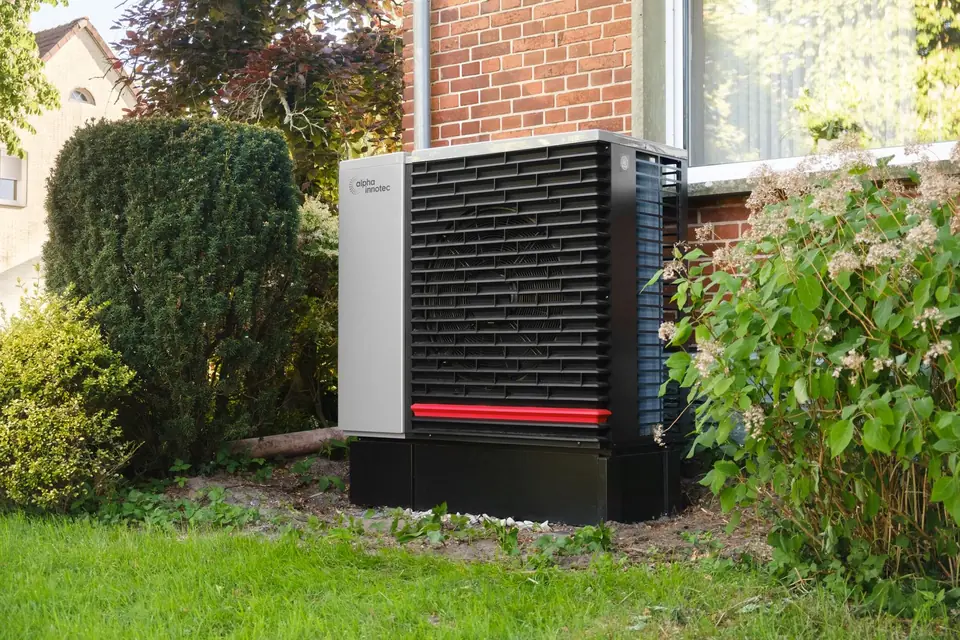
Heat pump versus gas boiler comes down mostly to the tariff. On a standard electricity tariff, a typical heat pump costs about 7% more to run than a gas boiler, and one in a poorly insulated home about 17% more. On a dedicated heat pump tariff, it costs £134 to £280 less a year across the five homes below. Three things set your own figure: your electricity tariff, your home's insulation and how efficiently the heat pump runs (its COP). This guide gives running costs for five common UK homes, explains the maths and shows how to bring your bills down. Work out your own with the heat pump running cost calculator.
Heat pump vs gas boiler running costs by property type
The tariff decides it. A 3 bed semi costs £877 a year with gas, £937 with a heat pump on a standard tariff and £666 on an 18.7p heat pump tariff.
Read the detail
Here are the annual heating costs for a gas boiler and an air source heat pump at the Ofgem price cap for October to December 2026. Heat demand comes from the model behind our calculators, fitted to 39,502 gas-heated homes in the DESNZ NEED 2026 dataset. Rows without the word "old" assume average insulation and a heat pump running at 2.78, the median measured in the Electrification of Heat trial. The two old rows assume poor insulation and 2.55, the trial's lower quartile.
| Property type | Heat demand (kWh) | Gas boiler | Heat pump (standard) | Heat pump (HP tariff) |
|---|---|---|---|---|
| Mid-terrace (2 bed) | 6,300 | £558 | £596 | £424 |
| Semi-detached (3 bed) | 9,900 | £877 | £937 | £666 |
| Semi-detached (3 bed, old) | 10,989 | £973 | £1,134 | £806 |
| Detached (4 bed) | 13,140 | £1,164 | £1,244 | £884 |
| Detached (4 bed, old) | 14,585 | £1,292 | £1,505 | £1,070 |
The data behind this table
Gas boiler assumes 90% efficiency at 7.97p/kWh. Heat pump assumes a seasonal efficiency of 2.78 on the average insulation rows and 2.55 on the two old rows. Standard tariff: 26.32p/kWh. Heat pump tariff: 18.7p/kWh, a tariff such as Cosy Octopus with most heating in the cheap hours. Ofgem price cap for October to December 2026. Standing charges are left out.
Use our heat pump calculator for a personalised comparison based on your property type, current heating system, and insulation level. Compare directly with our boiler vs heat pump tool.
The tariff is everything
On a standard tariff, a heat pump running at 2.78 costs about 7% more to run than gas, and one stuck at 2.55 in a poorly insulated home about 17% more. On a heat pump tariff, it costs 17 to 24% less in the five homes above. Switching to a heat pump tariff is the single most important thing you can do to reduce heat pump running costs. Read our heat pump tariff comparison.
Running costs per month and by heat pump size
About £55 a month for a 3 bed semi with a 9 kW heat pump on a heat pump tariff. A 12 kW unit in a 4 bed detached costs about £74 a month, and a 16 kW unit in a 5 bed detached about £98.
| Home | Typical heat pump | Per month, heat pump tariff | Per month, standard tariff | Per month, gas boiler | Per year, heat pump tariff |
|---|---|---|---|---|---|
| 2 bed mid-terrace | 5.5 kW | £35 | £50 | £46 | £424 |
| 3 bed semi | 9 kW | £55 | £78 | £73 | £666 |
| 3 bed semi, poorly insulated | 10 kW | £67 | £95 | £81 | £806 |
| 4 bed detached | 12 kW | £74 | £104 | £97 | £884 |
| 4 bed detached, poorly insulated | 13.5 kW | £89 | £125 | £108 | £1,070 |
| 5 bed detached | 16 kW | £98 | £138 | £130 | £1,181 |
Read the detail
The data behind this table
The yearly cost divided by 12, as if spread evenly like a fixed Direct Debit. Heat pump sizes are the typical size for each home at that insulation level from our heat pump sizing guide. Heat demand, efficiency, prices and the 18.7p heat pump tariff are the same as in the table above; the 5 bed row uses the 17,550 kWh of heat in our 5 bed heat pump guide. Ofgem price cap for October to December 2026. Standing charges are left out.
A real bill is not flat: most of the heating happens between October and March, so winter months cost more than these figures and summer months much less. Paying a fixed amount each month, as most suppliers allow, smooths that out.
The size of the heat pump does not set the running cost on its own. What you pay follows how much heat the home needs over a year, so a 12 kW unit costs more to run than a 9 kW one because it is fitted in a bigger or leakier home, not because the unit itself uses more. A heat pump that is correctly sized for the house does not cost more to run for being a larger model. An oversized one can, because it switches on and off more and runs less efficiently, which is why your installer works the size out from a heat loss survey. To see your own figure, use the heat pump running cost calculator.
Understanding the maths
Divide heat demand by the COP, then multiply by the electricity price. At 26.32p and a COP of 2.78, heat costs 9.5p per kWh against 8.9p for gas, or 6.7p on a heat pump tariff.
Read the detail
The running cost equation is straightforward: divide your annual heat demand by the heat pump's COP, then multiply by your electricity price per kWh.
At the Ofgem price cap for October to December 2026, electricity costs 26.32p/kWh and gas costs 7.97p/kWh, so electricity is 3.3 times the price of gas. But a heat pump running at 2.78 delivers 2.78 kWh of heat for every 1 kWh of electricity. So each kWh of heat from a heat pump costs 26.32p divided by 2.78, which is 9.5p. Gas costs 7.97p per kWh, and a boiler at 90% efficiency turns that into heat at 8.9p per kWh.
On a standard tariff, heat pump heating costs 9.5p per kWh against 8.9p for gas, about 7% more. On a heat pump tariff such as Cosy Octopus, about 18.7p per kWh with most heating in the cheap hours, heat pump heating costs 6.7p per kWh, about 24% less than gas.
What is COP and why it matters
COP is heat out per unit of electricity in, so higher means cheaper. The median trial home got 2.78 over a year, giving heat at 9.5p per kWh on a standard tariff against 8.9p for gas.
Read the detail
COP (coefficient of performance) is the ratio of heat output to electrical input. A COP of 3.0 means the heat pump produces 3 kWh of heat for every 1 kWh of electricity it uses. The higher the COP, the cheaper the heat pump is to run. Measured over a whole year, it is called the seasonal performance factor.
The Electrification of Heat trial for DESNZ monitored 428 air source heat pumps in British homes. Counting the heat pump, its backup heater and pumps, the median home got 2.78 units of heat per unit of electricity over a year, and the middle half fell between 2.55 and 3.05. Efficiency moves with the weather: at 10°C outside the median heat pump ran at 3.37, and at minus 3°C it fell to 2.37. The trial had too few ground source heat pumps to give a reliable typical figure, though the ones it monitored stayed above 3.0 even at minus 5°C.
| Seasonal efficiency | Cost per kWh of heat (standard tariff) | Cost per kWh of heat (HP tariff, 18.7p) |
|---|---|---|
| 2.55 (lower quartile) | 10.3p | 7.3p |
| 2.78 (median) | 9.5p | 6.7p |
| 3.05 (upper quartile) | 8.6p | 6.1p |
| 3.25 (excellent fabric) | 8.1p | 5.8p |
For reference: gas boiler at 90% efficiency costs 8.9p per kWh of heat at 7.97p/kWh gas price.
A heat pump running at 3.05, the trial's upper quartile, on a heat pump tariff produces heat at about 69% of the cost of gas. One stuck at 2.55 on a standard tariff costs more than gas. Installation quality and tariff choice make or break the economics.
How to reduce your heat pump running costs
Switch to a heat pump tariff first. Cosy Octopus works out at about 18.7p per kWh against the 26.32p cap rate; then insulate, run at low flow temperatures and hold a steady temperature.
Read the detail
1. Switch to a heat pump tariff
This is the biggest single lever. Tariffs like Cosy Octopus charge less for electricity in set windows, in its case 4am to 7am, 1pm to 4pm and 10pm to midnight. Because a heat pump can warm the house and the hot water cylinder in those windows, much of your heating moves to the cheaper rate. With 60% of the heating in those windows and 10% in the 4pm to 7pm peak, Cosy Octopus works out at about 18.7p per kWh at the rates Octopus published for 1 October 2026, about 29% below the 26.32p cap rate. Read our full comparison of heat pump tariffs.
2. Insulate your home first
Every improvement to your insulation reduces the electricity the heat pump uses. Loft insulation costs about £750 fitted from scratch, or £600 to top up from 120mm, and cavity wall insulation about £2,200 for a typical home, according to the Energy Saving Trust. In homes that had them fitted in 2023 to 2024, the median measured gas saving was 12.0% for cavity wall insulation and 3.2% for loft insulation (DESNZ NEED). For older homes with solid walls, solid wall insulation gave the biggest measured cut, a median 17.3%, and is also the most expensive. Use our insulation calculator for your property.
3. Run the heat pump at low flow temperatures
Heat pumps are most efficient when the water they send to the radiators is cool. In the Electrification of Heat trial, the median heat pump ran at 3.50 while producing water at 35°C, but only 2.38 at 55°C. Running hot to make up for undersized radiators costs you every year, so if your installer recommends radiator upgrades, weigh their cost against the running cost they save.
4. Use the timer and thermostat correctly
Heat pumps work best when run for longer periods at lower output rather than in short bursts at high output. Set a steady temperature and let the heat pump hold it. Avoid turning it right up for a quick blast of heat.
5. Add solar panels
Solar panels generate electricity during daylight hours, some of which can power the heat pump directly. With a solar diverter or smart controls, you can prioritise heating hot water when solar generation is highest. Read Are Solar Panels Worth It? for the full financial analysis.
Heat pumps vs oil and LPG
A heat pump is cheaper even on a standard tariff. It cuts the cost of heat by about 29% against oil and 15% against LPG, or 49% and 40% on a heat pump tariff.
Read the detail
If your home is off the gas grid and currently heated by oil or LPG, the economics of a heat pump are much stronger even on a standard tariff.
| Fuel | Cost per kWh (fuel) | Cost per kWh (heat, inc. efficiency) |
|---|---|---|
| Gas (mains) | 7.97p | 8.9p |
| Oil (kerosene) | 11.3p | 13.3p |
| LPG (bulk) | 9.5p | 11.2p |
| Direct electric | 26.32p | 26.32p |
| Heat pump (standard tariff, 2.78) | 26.32p | 9.5p |
| Heat pump (HP tariff, 2.78) | 18.7p | 6.7p |
The data behind this table
Oil and LPG prices move a lot. Heating oil is at 11.3p per kWh, the BoilerJuice UK average of 116.20p a litre on 25 September 2026 at 10.294 kWh a litre, and bulk LPG at 9.5p, our own assumption, both burned at 85% efficiency. Direct electric means simple resistance heating, such as panel heaters or an electric boiler.
For homes on oil or LPG, a heat pump on a standard tariff already cuts the cost of heat by about 29% against oil and about 15% against LPG. On a heat pump tariff the cut is about 49% against oil and 40% against LPG. Oil prices move, so check what you are paying per litre. For homes on direct electric heating such as panel heaters or an electric boiler, a heat pump cuts the cost of heat by about 64% on a standard tariff and 74% on a heat pump tariff.
The Boiler Upgrade Scheme grant in England and Wales is £7,500, rising to £9,000 until March 2027 if your home is heated by oil or LPG and has no mains gas connection. Use our boiler vs heat pump comparison tool to see the numbers for your situation.
Monitoring your actual costs
Check the efficiency your system reports over a season. Below about 2.5 puts it in the bottom quarter of trial homes, so ask your installer to check flow temperature, refrigerant charge and radiator sizing.
Read the detail
Once your heat pump is installed, track actual consumption to verify it matches expectations. Many heat pump systems also have built-in monitoring through their smartphone apps, showing COP, energy consumed, and heat delivered.
If your heat pump's efficiency stays below about 2.5 over a season, it is in the bottom quarter of the homes in the Electrification of Heat trial, and something may be wrong with the installation, the system settings or your home's insulation. Contact your installer to investigate. Common issues include flow temperatures set too high, poor refrigerant charge, and undersized radiators forcing the system to work harder.
Compare your bills against the UK average energy bills to benchmark your performance.
Frequently asked questions
Are heat pumps cheaper to run than gas boilers?
On a heat pump tariff, yes: about 17 to 24% cheaper in the five homes on this page. On a standard tariff, a typical heat pump costs about 7% more to run than a gas boiler, and one in a poorly insulated home about 17% more. For a 3-bed semi with average insulation, a year of heating costs about £877 with gas, £937 with a heat pump on the standard 26.32p rate and £666 on an 18.7p heat pump tariff.
How much does a heat pump cost to run per year?
It depends on the size of the home, its insulation, how efficiently the heat pump runs and your tariff. A 3-bed semi with average insulation, with the heat pump running at the typical measured efficiency of 2.78, costs about £937 a year on a standard tariff or £666 on an 18.7p heat pump tariff. The same house with poor insulation costs about £1,134 on a standard tariff, because it needs more heat and the heat pump runs less efficiently, at 2.55. Use our heat pump calculator for your own home.
What is COP and why does it matter?
COP (coefficient of performance) is the heat a heat pump delivers for each unit of electricity it uses. A COP of 3.0 means 3 kWh of heat for every 1 kWh of electricity, so the higher it is, the lower your bills. Measured over a whole year it is called the seasonal performance factor. In the Electrification of Heat trial, which monitored 428 air source heat pumps in British homes, the median was 2.78 and the middle half of homes fell between 2.55 and 3.05.
Do I need a special electricity tariff for a heat pump?
No, but it is the biggest single saving. Heat pump tariffs such as Cosy Octopus charge less for electricity in set hours of the day. If most of your heating runs in those hours, your average price can fall from the 26.32p standard rate to about 18.7p per kWh, about 29% less. See our tariff guide.
How does insulation affect heat pump running costs?
Better insulation cuts the heat your home needs and lets the heat pump run more efficiently. For a 4-bed detached house, our model puts heat demand at about 14,585 kWh a year with poor insulation and 11,169 kWh with good insulation, 23% less. Because the heat pump also runs more efficiently (3.05 rather than 2.55), the standard tariff running cost falls from about £1,505 to £964, a drop of 36%. Loft and cavity wall insulation are the usual first steps.
Data sources
Prices come from the Ofgem price cap for October to December 2026, efficiency from the Electrification of Heat trial, oil from BoilerJuice, the tariff from Cosy Octopus and heat demand and insulation savings from DESNZ NEED.
Show every source
Energy prices from the Ofgem price cap for October to December 2026 (26.32p/kWh electricity, 7.97p/kWh gas). Heat pump efficiency from the Electrification of Heat Demonstration Project, Heat Pump Performance Data Analysis Report (Energy Systems Catapult for DESNZ, December 2024), Table 1.2 and section 1.4.4. Heating oil at 11.3p per kWh, the BoilerJuice UK average of 116.20p a litre including VAT on 25 September 2026, converted at 10.294 kWh a litre from the DESNZ greenhouse gas conversion factors 2026 (gross calorific value). Heat pump tariff of 18.7p per kWh from Cosy Octopus at its rates from 1 October 2026, the average of the 14 regions, as costed in our tariff guide. Heat demand from our model fitted to DESNZ National Energy Efficiency Data-Framework data. Measured insulation savings from NEED Impact of Measures 2026, Table 1. Insulation costs from the Energy Saving Trust (loft, updated 8 May 2026; cavity wall, updated 8 May 2026).