Best Electricity Tariffs for Heat Pump Owners in the UK
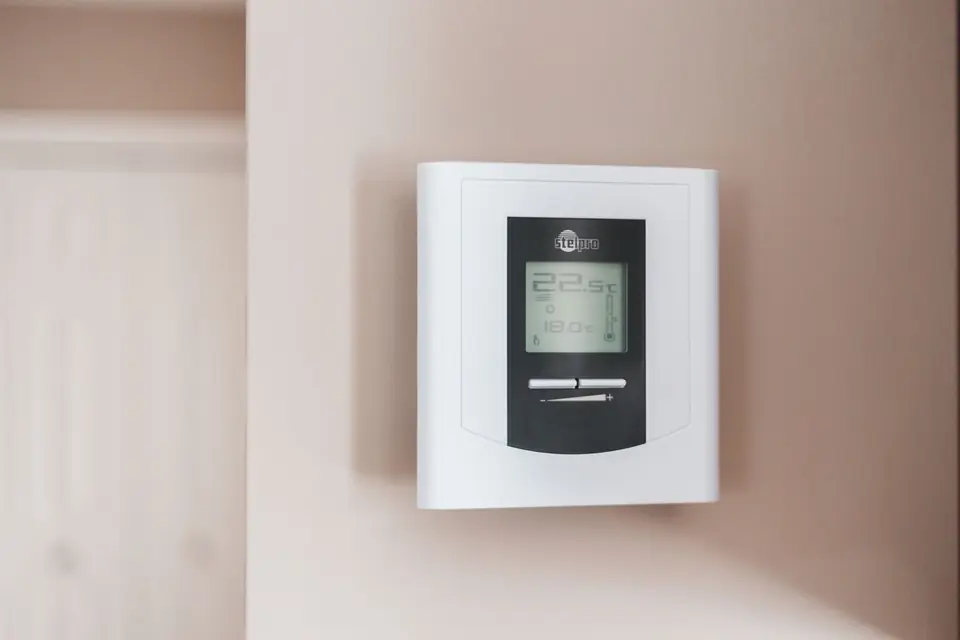
Switching to a dedicated heat pump tariff saves 15% to 35% on heating costs compared to a standard variable tariff. For a 3-bed semi, that is £240 to £600 per year. The tariff you choose is the single biggest factor determining whether a heat pump costs more or less to run than gas. This guide compares the main options, explains how each works, and helps you pick the right one.
Tariff comparison
| Tariff | Off-peak rate | Peak rate | Off-peak hours | Best for |
|---|---|---|---|---|
| Standard variable (Ofgem cap) | n/a | 26.32p/kWh flat | None | Baseline comparison |
| Octopus Cosy | 10 to 12p | 28 to 32p | 6 hrs/day (fixed windows) | Most heat pump owners |
| Octopus Agile | 5 to 15p (variable) | 20 to 50p (variable) | Overnight plus variable | Engaged users with smart controls |
| OVO Heat Pump Plus (closed to new customers, February 2026) | 11 to 14p | 26 to 30p | 7 hrs overnight | Simple overnight heating |
| Economy 7 | 14 to 18p | 28 to 35p | 7 hrs overnight | Legacy option, being replaced |
| Octopus Go | 7.5 to 9p | 30 to 35p | 5 hrs overnight | EV owners with heat pump |
Rates are approximate and vary by region and over time. Verify current rates with each supplier before switching. All time-of-use tariffs require a SMETS2 smart meter.
Our recommendation
For most heat pump owners, Octopus Cosy offers the best combination of meaningful savings and ease of use. The fixed off-peak windows (typically 4am to 7am, 1pm to 4pm, and additional slots) let you schedule heating and hot water during cheap periods without micromanaging your energy use.
If you are comfortable with variable pricing and have a smart thermostat that can respond to price signals, Octopus Agile delivers the lowest overall costs. Overnight rates frequently drop below 10p/kWh and occasionally go negative (you are paid to use electricity). But peak rates can spike above 35p/kWh, so you need controls that avoid these periods.
OVO Heat Pump Plus offered a straightforward overnight rate without half-hourly price changes, but it closed to new customers in February 2026. Existing customers keep their rate. If you want simplicity without smart scheduling, Economy 7 or a fixed-window tariff such as Cosy is now the nearest equivalent.
How much each tariff saves
Here is what a 3-bed semi with 12,000 kWh annual heat demand and a COP 2.9 heat pump would pay per year on each tariff, assuming 60% of heating consumption is shifted to off-peak hours.
| Tariff | Annual heating cost | Saving vs standard |
|---|---|---|
| Standard variable (26.32p flat) | £1,089 | Baseline |
| Octopus Cosy | £662 | £427 (39%) |
| Octopus Agile (well-managed) | £580 | £509 (47%) |
| OVO Heat Pump Plus (closed to new customers) | £745 | £344 (32%) |
| Economy 7 | £828 | £261 (24%) |
| Octopus Go | £690 | £399 (37%) |
Assumes COP 2.9, 12,000 kWh heat demand, 60% off-peak shift. Actual savings depend on your usage pattern and how much heating you can shift to cheap periods. Standing charges excluded.
The difference between the worst option (standard variable at £1,089) and the best (Agile at £580) is £509 per year. Over a heat pump's 20-year lifespan, that is more than £10,000. Choosing the right tariff is not optional; it is the difference between a heat pump being cheaper or more expensive than gas.
Compare with gas boiler costs using our boiler vs heat pump calculator. See full running cost analysis in our heat pump running costs guide.
You need a smart meter
All time-of-use tariffs require a SMETS2 smart meter. If you do not have one, contact your supplier to arrange a free installation before switching. This takes about an hour and there is no charge.
How to shift heating to off-peak
The savings from a heat pump tariff depend on how much of your heating consumption you can move to off-peak hours. Here are the practical strategies.
Pre-heat your home. Run the heat pump during the early-morning off-peak window (typically 4am to 7am) to bring the house up to temperature before peak rates start. A well-insulated home holds heat for hours. The better your insulation, the longer the warmth lasts.
Heat water off-peak. Set the hot water cylinder to heat during the cheapest window. A 200 to 300 litre cylinder heated to 50 degrees overnight provides enough hot water for most households for the full day.
Use the afternoon off-peak. Octopus Cosy includes a 1pm to 4pm off-peak window. Use this to top up heating and hot water before the evening peak.
Use a smart thermostat. See recommended smart thermostats that integrate with time-of-use tariffs. Some models automatically schedule heating based on your tariff's price windows, weather forecasts, and your home's thermal behaviour. This maximises savings without you having to think about it.
Consider thermal mass. Homes with solid floors, stone walls, or large volumes of water (in radiators and hot water cylinders) store heat effectively. This lets you heat aggressively during cheap periods and coast through expensive ones.
Switching tariff
Switching electricity tariff is free and typically takes 1 to 5 working days. You will need a SMETS2 smart meter installed before switching to any time-of-use tariff. If you are on a fixed-rate contract with your current supplier, check whether exit fees apply (they often do not for moving to the same supplier's heat pump tariff).
Most heat pump tariff providers (Octopus, OVO) allow you to switch online in minutes. You do not need to change your meter or have any physical installation unless you need a smart meter upgrade.
Combining a heat pump tariff with solar panels
If you have or plan to install solar panels, the interaction with a heat pump tariff is powerful. During daylight hours (especially spring and summer), your solar panels generate free electricity that can power the heat pump directly. During winter when solar output is low, the heat pump tariff provides cheap off-peak electricity.
Octopus Agile also offers export rates, so surplus solar generation earns you income when you are not using it. The combination of solar plus a heat pump plus an Agile tariff can bring annual heating costs below £400 for a well-insulated 3-bed semi.
See our solar panel payback guide for the full financial analysis.
Monitor your actual savings with recommended energy monitors that show real-time consumption and cost by time period.
Frequently asked questions
What is the best electricity tariff for a heat pump?
Octopus Cosy for most owners. Octopus Agile for engaged users willing to manage variable pricing. See our running costs guide for how tariff choice affects annual bills.
How much can I save with a heat pump tariff?
15% to 35% on heating costs versus standard rates. For a 3-bed semi, that is £240 to £600 per year. Use our calculator for your property.
Do I need a smart meter for a heat pump tariff?
Yes, a SMETS2 smart meter. Your supplier installs one for free. Takes about an hour.
Can I use Octopus Agile with a heat pump?
Yes. It offers the lowest rates but requires smart controls. See recommended smart thermostats with tariff integration.
What about Economy 7 for heat pumps?
It works but dedicated heat pump tariffs are better. Economy 7 night rates are typically 14 to 18p versus 10 to 12p on Cosy. The daytime penalty is also steeper.
Data sources
Tariff rates from supplier websites (Octopus Energy, OVO Energy), verified March 2026 and rechecked for availability in September 2026. Standard variable rates from Ofgem price cap, October to December 2026. Running cost calculations based on Energy Saving Trust heat demand data.