Storage Heaters vs Heat Pump: Is It Worth Switching?
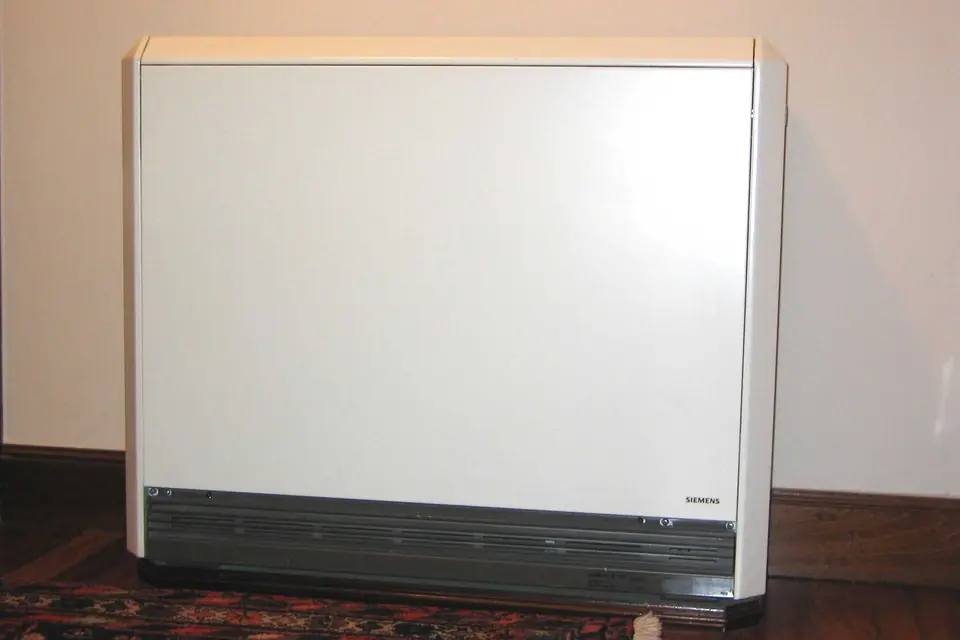
Replacing storage heaters with a heat pump saves £1,200 to £2,700 per year on electricity bills. Storage heaters are 100% efficient but use electricity at the full rate. A heat pump delivers 2.5 to 3.5 units of heat for every unit of electricity, cutting your heating cost by 60 to 70%. With the £7,500 BUS grant, the switch pays for itself in 2 to 4 years. This is the single fastest payback of any heating system replacement.
Running cost comparison
| Property type | Storage heaters | Heat pump (standard) | Heat pump (HP tariff) | Annual saving |
|---|---|---|---|---|
| 2-bed flat | £1,700 | £726 | £497 | £1,203 |
| 2-bed terrace | £2,000 | £726 | £497 | £1,503 |
| 3-bed semi | £2,600 | £1,089 | £745 | £1,855 |
| 4-bed detached | £3,800 | £1,634 | £1,117 | £2,683 |
Storage heaters on Economy 7 (night rate ~14p/kWh plus daytime boost at the standard rate). Storage heater figures are unchanged from March 2026 because Economy 7 rates are set by suppliers, not the price cap. Heat pump COP 2.9 at 26.32p/kWh standard or ~18p/kWh on a heat pump tariff, Ofgem price cap for October to December 2026. Well-insulated properties.
Use our boiler vs heat pump calculator for your specific property.
Why storage heaters cost so much
Storage heaters charge overnight on a cheaper night-rate tariff (Economy 7 or Economy 10) and release heat during the day. This sounds efficient, but several problems make them expensive:
They are only 100% efficient. Every 1 kWh of electricity produces 1 kWh of heat. A heat pump produces 2.5 to 3.5 kWh of heat per 1 kWh of electricity. You are paying 2.5 to 3.5 times more per unit of heat.
Daytime top-up is very expensive. Most homes with storage heaters need supplementary heating in the afternoon and evening when the stored heat runs out. This top-up runs at the full daytime rate (26.32p/kWh or higher on Economy 7), which is the most expensive way to heat a home.
Poor control. You set the input the night before based on guessing tomorrow's weather. If it is warmer than expected, you waste energy. If it is colder, you need expensive daytime top-up. A heat pump adjusts in real time.
What the switch involves
Replacing storage heaters with a heat pump requires installing a wet central heating system (radiators and pipework) if you do not already have one. This is the biggest difference from replacing a gas boiler, where the pipework already exists.
| Cost element | Range |
|---|---|
| Air source heat pump | £9,000 to £13,000 |
| BUS grant | -£7,500 |
| Radiators and pipework (full house) | £4,000 to £7,000 |
| Hot water cylinder | £800 to £1,500 |
| Total out of pocket | £6,300 to £14,000 |
Radiators and pipework cost more than for gas boiler replacements because the entire wet system needs installing from scratch.
At £1,855 annual saving (3-bed semi on HP tariff), payback is 3 to 8 years. After that, you save around £1,900 every year for the remaining 15+ years of the heat pump's life.
Check for free funding first
If you are on benefits, ECO4 may cover the full cost of switching from storage heaters to a heat pump. If you are off the gas grid, the Home Upgrade Grant provides up to £25,000. Check our grant eligibility checker.
When to keep storage heaters
Small, well-insulated flat with no outdoor space. If you cannot fit a heat pump outdoor unit and your heating costs are under £1,000 per year, modern high heat retention storage heaters (which are more efficient than old ones) may be the pragmatic choice.
You are renting. The landlord would need to fund the installation. You can ask, but cannot force the change. The EPC minimum standards for landlords may eventually require it.
For everyone else with outdoor space and annual heating costs above £1,500, a heat pump is clearly the better investment.
Reduce noise from the outdoor unit with anti-vibration pads. Control your new heating system with a smart thermostat. Track your savings with an energy monitor.
Frequently asked questions
How much does it cost to replace storage heaters with a heat pump?
£6,300 to £14,000 after the £7,500 BUS grant, including radiators and pipework. Higher than gas boiler replacement because the wet system needs installing from scratch.
How much will I save?
£1,200 to £2,700 per year depending on property size and tariff. Payback is 3 to 8 years. See our running costs guide.
Can I get the switch for free?
Possibly. ECO4 and the Home Upgrade Grant can cover the full cost for eligible households. Check our grant checker.
Data sources
Running costs from Ofgem price cap, October to December 2026. Savings from Energy Saving Trust. BUS grant from GOV.UK.