Heat Pump Cost for a 3-Bed Semi-Detached House: Full 2026 Breakdown
The short answer
- £11,000 to £15,500 installed, or £3,500 to £8,000 after the £7,500 grant (£2,000 to £6,500 for oil or LPG homes)
- About 9 kW is the typical size for a 3-bed semi
- £666 a year on a heat pump tariff, £211 less than gas, but £937 on standard electricity
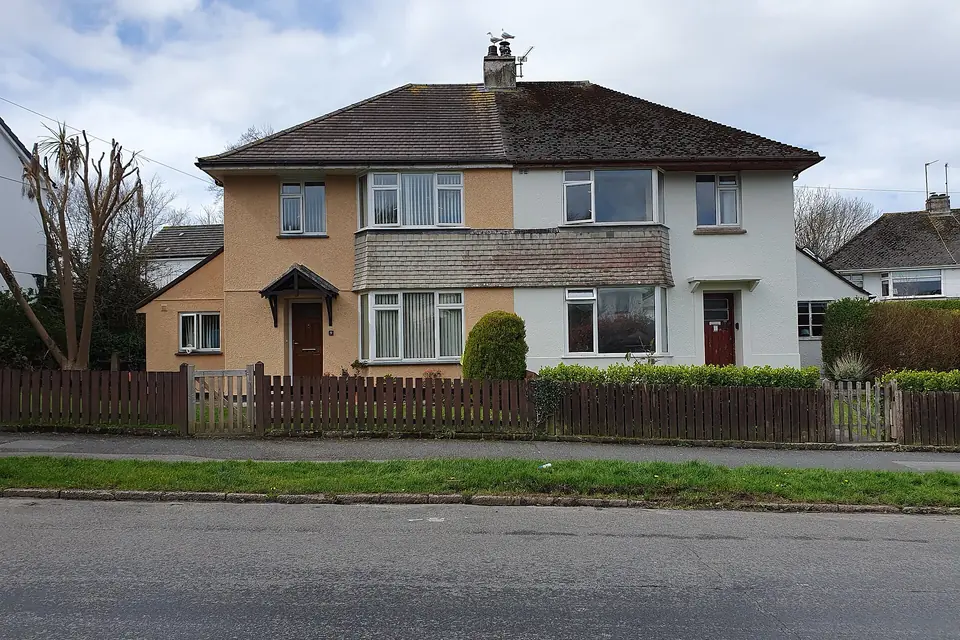
An air source heat pump for a typical 3-bed semi costs £11,000 to £15,500 installed. That is the middle half of what installers recorded for a heat pump of its size under the Boiler Upgrade Scheme, with a median of £12,700, and it is the full installed cost the installer recorded, labour and VAT included. The £7,500 Boiler Upgrade Scheme grant brings that down to £3,500 to £8,000. If the house is heated by oil or LPG and has no mains gas connection, the grant is £9,000 until 31 March 2027, which leaves £2,000 to £6,500. At the Ofgem price cap for October to December 2026 the heat pump costs £666 a year to run on a heat pump tariff, £211 less than gas, but £937 on standard electricity, which is £60 a year more than gas. This guide covers every cost that applies to a semi, and where each figure comes from.
What a 3-bed semi heat pump really costs
A typical 3-bed semi costs £11,000 to £15,500 installed, or £3,500 to £8,000 after the £7,500 grant. That is for a 9 kW heat pump; a well insulated semi needs 7.5 kW and a poorly insulated one 10 kW.
| Semi type | Heat demand | Heat pump size | Installed cost | After £7,500 grant |
|---|---|---|---|---|
| Well insulated, around EPC band C (270mm loft, filled cavity, double glazed) | 8,415 kWh | 7.5 kW | £10,500 to £15,000 | £3,000 to £7,500 |
| Typical semi, around EPC band D | 9,900 kWh | 9 kW | £11,000 to £15,500 | £3,500 to £8,000 |
| Poorly insulated, around EPC band E (solid walls or single glazing, little insulation) | 10,989 kWh | 10 kW | £11,500 to £16,000 | £4,000 to £8,500 |
Read the detail
The best price evidence is what installers actually charged. Every heat pump paid for through the Boiler Upgrade Scheme in England and Wales has its installed cost recorded on its MCS certificate, and the government publishes the median by heat pump size. In 2025/26 the median air source installation cost £12,686 at 8 to 10 kW, across 8,526 homes, with £12,164 at 6 to 8 kW and £13,943 at 10 to 12 kW. Those costs include the system, labour and VAT, before the grant. Across all sizes, the middle half of jobs in April to June 2026 cost £11,128 to £15,627.
The government does not publish costs by house type, so we size the home first. Our heat model puts a typical 3-bed semi at 9,900 kWh of heat a year, which needs a heat pump of about 9 kW, and reads the scheme's median for that size. The range is the scheme's middle half scaled to that median. A better insulated semi needs a smaller heat pump and a leakier one a bigger one, and the price follows the size.
The data behind this table
Installed cost is the middle half of Boiler Upgrade Scheme installations for a heat pump of that size, and includes the heat pump, cylinder, controls, labour and VAT. Sizes from our heat model at 1,100 hours a year at full output. Your installer's heat loss survey sets the real size.
The spread inside each row comes down to whether the existing radiators and pipework can be kept, where the outdoor unit and the cylinder can go, and the installer's own pricing. Use our heat pump calculator for an estimate for your own house type, insulation and heating fuel.
Complete cost breakdown
The whole job is £11,000 to £15,500, median £12,700, or £3,500 to £8,000 after the grant. Radiators are what most often push a quote outside that range, so ask whether radiator work is included.
Read the detail
| Cost element | Range | Notes |
|---|---|---|
| Typical whole job | £11,000 to £15,500 | 9 kW air source heat pump, hot water cylinder, controls, labour and VAT, as recorded under the Boiler Upgrade Scheme. Median £12,700 |
| Boiler Upgrade Scheme grant | -£7,500 | Deducted from the installer invoice. £9,000 until 31 March 2027 if the home is heated by oil or LPG and has no mains gas connection |
| Cost after the grant | £3,500 to £8,000 | What most households pay. £2,000 to £6,500 with the £9,000 grant |
| Radiator upgrades | Where needed | Usually 3 to 5 of the 8 to 10 radiators in a semi. Often inside the recorded job cost; ask whether your quote includes them. See our radiator sizing guide |
| Microbore pipework | Where needed | 8mm or 10mm pipe often has to be replaced on the runs to the larger radiators |
The data behind this table
Heat pump installations carry 0% VAT until 31 March 2027 and 5% from 1 April 2027, according to HMRC. Costs from the DESNZ Boiler Upgrade Scheme statistics, August 2026, Tables A1.3A and Q1.1A.
Radiators are the part most likely to move a quote outside this range. A semi that needs one or two radiators changed, or has larger radiators already, tends to land near the bottom; one that needs most of them replaced can go above the top. Ask the installer to show the radiator schedule and to say whether the radiator work is priced inside the quote before you accept a figure.
Semi versus end-terrace versus detached
All three cost the same, £11,000 to £15,500 installed, because each needs a heat pump in the 8 to 10 kW band. One shared wall saves only about 630 kWh of heat a year against a detached house.
| Property | Typical heat demand | Heat pump size | Installed cost | After £7,500 grant |
|---|---|---|---|---|
| 3-bed end-terrace | 9,270 kWh | 8.5 kW | £11,000 to £15,500 | £3,500 to £8,000 |
| 3-bed semi-detached | 9,900 kWh | 9 kW | £11,000 to £15,500 | £3,500 to £8,000 |
| 3-bed detached | 10,530 kWh | 9.5 kW | £11,000 to £15,500 | £3,500 to £8,000 |
Read the detail
The 3-bed semi sits between an end-terrace and a small detached house on heat demand. One shared wall is worth about 630 kWh of heat a year compared with a detached house with the same number of bedrooms, which is less than most people expect.
The data behind this table
Average insulation. All three land in the same cost range because each needs a heat pump in the 8 to 10 kW band, where the scheme's median was £12,686 in 2025/26. See our costs by house type guide for flats, terraces and larger homes, and our 4-bed guide for the next size up.
At the October to December 2026 price cap, the end-terrace costs £821 a year on gas, £878 on a heat pump with a standard tariff and £624 on a heat pump tariff. The 3-bed detached costs £932, £997 and £708. The semi's figures are in the running costs section below.
What size heat pump for a 3-bed semi
Most 3-bed semis need around 7.5 to 10 kW, with a typical semi at 9 kW. The installer's room-by-room heat loss calculation sets the real size, and insulating first can bring it down to 7.5 kW.
Read the detail
Most 3-bed semis need a heat pump of around 7.5 to 10 kW. Our model puts a typical semi at 9 kW, a well insulated one at 7.5 kW and a poorly insulated one at 10 kW. For comparison, the median air source heat pump fitted under the scheme in April to June 2026 was 8 kW, and the middle half were 6 to 10.8 kW.
The number that matters is not the bedroom count but the heat loss calculation. Your MCS installer must survey every room, work out how much heat each loses on a cold design day and size the heat pump to cover that and your hot water. If a quote arrives without a room-by-room calculation attached, it was sized by guesswork. An oversized heat pump costs more to buy and switches on and off more often in mild weather than one matched to the house.
Insulate first to shrink the heat pump
Loft insulation and cavity wall insulation are the cheap measures. The Energy Saving Trust puts a loft top-up from 120mm to 270mm at about £600 and cavity wall insulation for a typical home at about £2,200. Measured in real homes they save less than most calculators suggest: in the government's NEED data, homes that had cavity wall and loft insulation fitted together used a median 8.4% less gas. On our model, taking a typical semi all the way to well insulated drops the heat pump from 9 kW to 7.5 kW, takes about £400 off the median installed cost and cuts the heat pump tariff bill from £666 to £516 a year. If you receive a qualifying benefit, ECO4 may pay for the insulation, but only for work finished by 31 December 2026.
Which heat pumps suit a semi
Every major manufacturer makes a unit in the 7 to 10 kW class, and at this size the brands are close. Ask for a design flow temperature of 50°C or lower and a sound calculation for the outdoor unit.
| Model | Outputs for a semi | Refrigerant | Max flow temp | Why pick it |
|---|---|---|---|---|
| Vaillant aroTHERM plus | 7 kW, 10 kW | R290 | 75°C | High flow temperature can keep more existing radiators |
| Mitsubishi Ecodan | 8.5 kW, 10 kW (R290); 8.5 kW, 11.2 kW (R32) | R290 or R32 by model | Up to 75°C (R290), lower on R32 | Choice of refrigerant; the R290 range runs hottest |
| Daikin Altherma 3 R | 8 kW, 11 kW | R32 | Up to 65°C (8 kW), 60°C (11 kW) | Long-established range; pick the H HT range if you must keep small radiators |
| Samsung EHS Mono | 8 kW, 12 kW | R32 | Up to 65°C (HT Quiet 70°C) | The HT Quiet version reaches 70°C |
| Octopus Cosy 6 and Cosy 9 | 5.6 kW, 8.7 kW at 50°C flow | R290 | 70°C | Sold and installed by Octopus, which also offers a heat pump tariff |
Read the detail
The 7 to 10 kW class is the busiest part of the market, and every major manufacturer has a unit in it. These are the models you are most likely to be quoted, with specifications taken from each manufacturer's own pages.
Outputs are the ratings in each range that cover a 3-bed semi. Your heat loss calculation decides which one you need.
Which heat pump is best for a semi-detached house? At this size the brands are close, and the design decides the result. Ask for a design flow temperature of 50°C or lower, the seasonal performance the installer expects at that temperature in writing, and an MCS 020(a) sound calculation for the outdoor unit position. R290 units such as the aroTHERM plus, the R290 Ecodan and the Cosy can run hotter, which can save a radiator or two in an older semi. Our heat pump noise guide explains the noise figures.
Radiators, cylinder and pipework
Expect to upsize some of the 8 to 10 radiators, fit a heat pump cylinder and possibly replace microbore pipe. The cylinder is in the recorded job cost; ask the installer to check pipe sizes at the survey.
Read the detail
A heat pump runs the heating at a lower water temperature than a gas boiler, so each radiator has to be larger to give out the same warmth. A 3-bed semi typically has 8 to 10 radiators, and it is usually the living room, the hall and the largest bedrooms that need upsizing. Our radiator sizing guide explains how installers decide which ones change and why a double-panel radiator in the same slot often solves it.
You also need a hot water cylinder, and the recorded job costs above include one. If you have a combi boiler there is no cylinder today, so the installer needs somewhere to put it; the Energy Saving Trust says a cylinder can usually fit in any cupboard at least 80cm by 80cm, and many semis have an airing cupboard on the landing. If you already have a cylinder it usually still needs replacing, because heat pump cylinders have a larger coil to work at lower temperatures.
The common budget breaker is microbore pipework, the 8mm or 10mm pipes fitted in many semis from the 1970s onwards. It restricts flow at heat pump temperatures and often needs replacing with 15mm or 22mm pipe. Ask the installer to check pipe sizes during the survey rather than discovering the problem on installation day.
Running costs: 3-bed semi
A heat pump costs £666 a year on a heat pump tariff, £211 less than gas, but £937 on standard electricity. That is £60 a year more than the £877 gas bill, so the tariff decides the economics.
Read the detail
These figures use the Ofgem price cap for 1 October to 31 December 2026: electricity 26.32p per kWh and gas 7.97p per kWh. Gas rose about 9% at this cap change. Electricity barely moved because the government removed VAT from electricity bills from 1 October 2026 to 31 March 2027, so when 5% VAT returns every heat pump figure below rises by about 5%.
| Heating system | Annual cost | Compared with gas |
|---|---|---|
| Gas boiler | £877 | Baseline |
| Heat pump (standard tariff) | £937 | £60 more |
| Heat pump (heat pump tariff) | £666 | £211 saving |
| Oil boiler | £1,316 | £439 more |
| LPG boiler | £1,106 | £229 more |
| Electric boiler | £2,606 | £1,729 more |
The data behind this table
9,900 kWh heat demand, a typical semi with average insulation. Gas at 7.97p/kWh and 90% boiler efficiency. Heat pump seasonal efficiency of 2.78, the median measured across 428 homes in the government's Electrification of Heat trial, at 26.32p/kWh, or 18.7p/kWh effective on a heat pump tariff such as Cosy Octopus with most heating in the cheap hours. Oil at 11.3p/kWh, the BoilerJuice UK average of 116.20p a litre on 25 September 2026, and LPG at 9.5p/kWh, both at 85% boiler efficiency. Standing charges excluded.
The tariff makes or breaks the economics. On a heat pump tariff you save £211 a year against gas at today's prices, or about £178 once VAT returns to electricity. On a standard tariff the heat pump costs £60 a year more than the boiler it replaces, or about £107 with VAT. Disconnecting your gas supply saves a further £108 a year in gas standing charge. A harder-to-heat semi does not improve the case: a poorly insulated semi with 10,989 kWh of heat demand costs £973 a year on gas, £1,134 on a heat pump with a standard tariff and £806 on a heat pump tariff, so the saving falls to £167, because the lower efficiency a leaky house forces on the heat pump cancels much of the extra heat it has to supply. A well insulated semi at 8,415 kWh costs £745 on gas, £726 on a heat pump with a standard tariff and £516 on a heat pump tariff, a £229 saving, and it is the only version of this house that is cheaper to run on standard electricity. Read our running costs guide for the full comparison and our tariff guide for how to get an effective rate near 18.7p.
Against oil the heat pump saves £650 a year on a heat pump tariff and £379 on standard electricity, with heating oil at 11.3p per kWh, the BoilerJuice UK average of 116.20p a litre on 25 September 2026. Oil prices move, so the £1,316 oil bill in the table is today's figure rather than a fixed one. Against LPG the heat pump saves £169 on standard electricity and £440 on a heat pump tariff.
The Boiler Upgrade Scheme for a semi
The grant is £7,500, or £9,000 for oil or LPG homes off the gas grid until 31 March 2027. It takes a typical semi to £3,500 to £8,000, and the installer deducts it from the invoice.
Read the detail
The Boiler Upgrade Scheme pays £7,500 towards an air source or ground source heat pump in England and Wales. Until 31 March 2027, a home heated by oil or LPG that has no mains gas connection gets an extra £1,500, making £9,000. For a typical semi that takes the whole job from £11,000 to £15,500 down to £3,500 to £8,000, or £2,000 to £6,500 with the higher grant. Your MCS certified installer applies for the grant and it comes off the invoice. Regulations in force from 28 April 2026 extended the scheme to 2030 and removed the need for a valid EPC, although the installer records one if the home has it. A semi qualifies like any other house, provided you own it and the heat pump replaces fossil fuel heating such as gas, oil, LPG or electric heating. Hybrid systems that keep a boiler do not qualify, and installations carry 0% VAT until 31 March 2027. Read our BUS grant guide for the eligibility rules and our grant checker for anything else you might qualify for.
Is a heat pump worth it for a 3-bed semi
On gas, only with a heat pump tariff. A £211 a year saving pays back the extra over a new boiler in anything from immediately to about 21 years. Against oil it saves about £650 a year.
Read the detail
The government puts the average cost of a new gas boiler at about £3,500 including VAT. Against that, a typical semi's heat pump job costs nothing to £4,500 more after the £7,500 grant, plus any radiator work that is not in the quote. At £211 a year saving on a heat pump tariff the payback runs from immediate to about 21 years, or up to about 25 years once VAT returns to electricity, so the case is strongest when the radiators need little work or the boiler is due for replacement anyway. On a standard electricity tariff there is no payback at all, because the heat pump costs £60 a year more to run than gas, so a semi on the gas grid only makes financial sense if you move to a heat pump tariff and schedule around it, and even then the saving is modest. Off the gas grid the case is much stronger: the saving against oil is about £650 a year with oil at 11.3p per kWh, the BoilerJuice UK average on 25 September 2026, although oil prices move, and the £9,000 grant takes the whole job to £2,000 to £6,500 if you claim before 31 March 2027. Run the numbers for your own house with our boiler vs heat pump comparison, and read heat pump vs new boiler for the 15-year view.
Ground source is rarely worth considering for a semi. It needs a borehole or a large area of garden for a ground loop, and under the scheme the middle half of ground source installations in April to June 2026 cost £18,136 to £42,110, with a median of £27,232, more than double the air source median. It gets the same £7,500 grant. Keep it for large plots.
Noise, placement and the party wall
Site the outdoor unit away from the party wall so it passes the 37 dB limit at the neighbour's nearest window. Most semis pass without extra work, and planning permission is not normally needed.
Read the detail
The one cost that hits semis harder than detached houses is placement. To be permitted development in England, the outdoor unit must pass the MCS 020(a) sound calculation, which sets a limit of 37 dB at a point one metre outside the nearest window or door of a habitable room in a neighbouring home. On a semi that window is often a few metres away. Installers handle it by siting the unit away from the party wall, on the rear wall facing the garden, or behind a solid fence or wall, which the calculation counts as a barrier. Anti-vibration feet stop hum travelling into the wall. Manufacturers rate heat pumps of this size at a sound power from the mid 50s to the low 60s dB(A), so most semis pass without extra work, but a unit forced onto the party wall side may need a quieter model or an acoustic enclosure.
Planning permission is not normally needed. Since 29 May 2025, an air source heat pump on a house in England is permitted development if it passes the MCS 020(a) calculation, its outdoor unit is no larger than 1.5 cubic metres, it is the only one on a house that is not detached, it is not on a pitched roof or above the ground floor on a wall facing a road, and the house is not listed. In a conservation area it cannot go on a wall or roof facing a road, or nearer the road than the house. The old rule that the unit had to sit at least one metre from the boundary no longer applies. Our planning permission guide covers the exceptions and the rules in Wales and Scotland. It is worth telling your neighbour before the survey rather than after the unit arrives.
Getting quotes: what to check
Get three MCS quotes and compare the design, not the headline price. Each should include a room-by-room heat loss calculation, a radiator schedule, a sound calculation and the £7,500 or £9,000 grant deducted.
Read the detail
Get three quotes from MCS certified installers and compare them on the design rather than the headline price. Each quote should include:
- A room-by-room heat loss calculation with the design outdoor temperature stated.
- The design flow temperature, ideally 50°C or lower, and the seasonal performance the installer expects at that temperature.
- A radiator schedule listing all 8 to 10 emitters, which ones change, their new sizes, and whether that work is in the price.
- The cylinder size and where it will go, ideally the existing airing cupboard.
- An MCS 020(a) sound calculation for the outdoor unit position, with the neighbour's nearest window marked.
- The warranty on the unit and on the installation, and who you call when something fails.
- Confirmation that the installer will apply for the Boiler Upgrade Scheme at the £7,500 or £9,000 rate and deduct it from the invoice.
Installation usually takes a few days for a semi, and longer when most radiators are being swapped. Find installers through the MCS installer search. Read our old house guide if your semi has solid walls.
Frequently asked questions
How much does a heat pump cost for a 3-bed semi-detached house?
£11,000 to £15,500 installed for a typical 9 kW job, the middle half of what installers recorded under the Boiler Upgrade Scheme, including the cylinder, labour and VAT. After the £7,500 BUS grant you pay £3,500 to £8,000, or £2,000 to £6,500 with the £9,000 grant for oil and LPG homes with no mains gas. Radiator upgrades can add to that where they are needed.
What size heat pump does a 3-bed semi need?
About 9 kW for a typical semi, 7.5 kW for a well insulated one and 10 kW for a poorly insulated one, on our model. The installer's heat loss calculation decides. Insulate first to bring the size and cost down.
How much does a heat pump cost to run in a 3-bed semi?
£666 a year on a heat pump tariff and £937 on standard electricity, against £877 for gas, at the October to December 2026 price cap for 9,900 kWh of heat. Electricity carries no VAT until 31 March 2027, so the heat pump figures rise by about 5% after that. See our running costs guide.
Which heat pump is best for a semi-detached house?
Any correctly sized unit of around 7 to 10 kW from Vaillant, Mitsubishi, Daikin, Samsung or Octopus can heat a 3-bed semi well. Choose on the installer's heat loss design, a flow temperature of 50°C or lower and the seasonal performance quoted, and on where the outdoor unit can sit relative to next door's windows.
Is a heat pump worth it for a 3-bed semi?
On a heat pump tariff or off the gas grid, it can be. A typical semi saves £211 a year against gas on a heat pump tariff and about £650 against oil at 11.3p per kWh, the BoilerJuice UK average on 25 September 2026. On a standard electricity tariff the heat pump costs about £60 a year more to run than gas, so the case rests on the tariff. Compare with our boiler vs heat pump tool.
Do I need planning permission for a heat pump on a semi?
Usually not. In England it is permitted development if the unit passes the MCS 020(a) sound calculation, is no larger than 1.5 cubic metres, is the only one on the house, and the house is not listed or in a conservation area where the unit would face a road. See our planning permission guide.
Data sources
Costs come from the DESNZ Boiler Upgrade Scheme statistics, August 2026. Efficiency comes from the Electrification of Heat trial, prices from the Ofgem price cap and BoilerJuice, and heat demand from our NEED-based model.
Show every source
Installed costs from the DESNZ Boiler Upgrade Scheme statistics, August 2026, Table A1.3A (median cost by heat pump size, 2025/26, 30,590 air source installations) and Table Q1.1A (April to June 2026 quartiles). Costs are self-reported by MCS installers and include the system, labour and VAT, before the grant. Heat pump efficiency from the Electrification of Heat trial report (Energy Systems Catapult for DESNZ, December 2024, Table 1.2). Heat demand from our heat model, built on the DESNZ National Energy Efficiency Data-Framework (NEED) 2026. Measured insulation savings from NEED impact of measures 2026. Energy prices from the Ofgem price cap for October to December 2026. Heating oil price from BoilerJuice: the UK average of 116.20p a litre including VAT on 25 September 2026, converted at 10.294 kWh a litre using the DESNZ greenhouse gas conversion factors 2026 (gross calorific value). Heat pump tariff: Cosy Octopus at October 2026 rates with 60% of heating in the cheap hours and 10% in the 4pm to 7pm peak, as costed in our tariff guide. New gas boiler cost from the DESNZ Boiler Upgrade Scheme 2026 to 2030 summary business case, footnote 8, scaled by home size as in our boiler vs heat pump comparison. Grant rules from GOV.UK and The Boiler Upgrade Scheme (England and Wales) (Amendment) Regulations 2026. VAT from HMRC VAT Notice 708/6. Planning rules from the permitted development rules, Class G and MCS 020(a). Insulation costs from the Energy Saving Trust. Full method on our methodology and data sources pages. Heat pump specifications from the manufacturers: Vaillant aroTHERM plus, Mitsubishi Electric Ecodan, Daikin Altherma 3 R, Samsung EHS Mono and Octopus Cosy.