Heat Pump Cost for a Bungalow: Full 2026 Breakdown
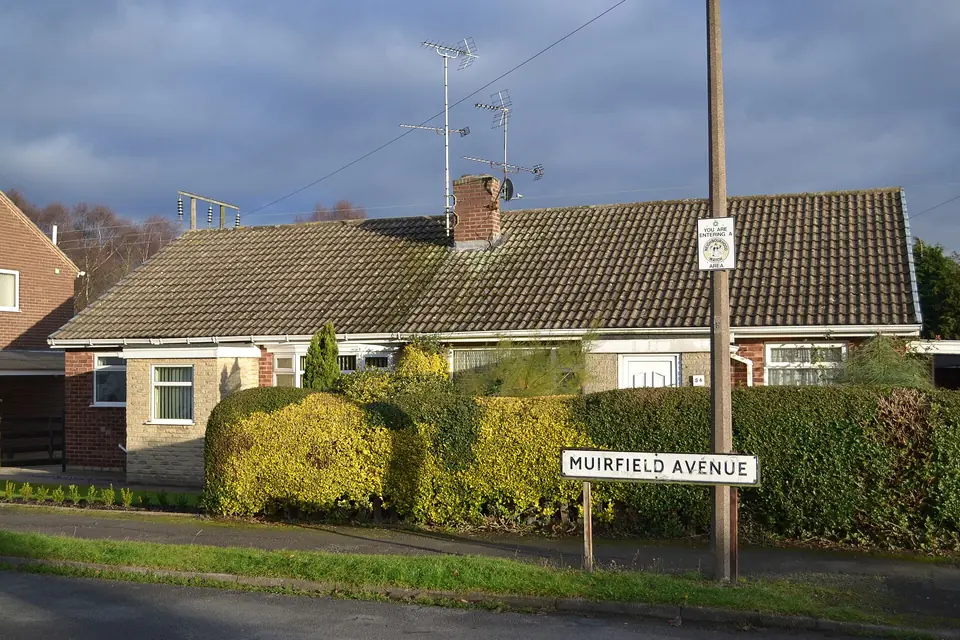
An air source heat pump for a two or three bedroom bungalow costs £9,000 to £12,000 installed. The £7,500 Boiler Upgrade Scheme grant brings that down to £1,500 to £4,500, and the £9,000 grant for replacing an oil or LPG boiler, which many bungalows have, brings it down to £0 to £3,000. With radiators and a cylinder the whole job is £12,000 to £16,000 before the grant and £4,500 to £8,500 after it. At the October to December 2026 price cap the running cost is £807 a year on a heat pump tariff, £344 less than gas and £569 less than oil. A bungalow needs the same 7 to 10 kW unit as a 3-bed semi, and this guide explains why.
In this guide
What a bungalow heat pump really costs Complete cost breakdown Bungalow versus semi versus detached What size heat pump for a bungalow Which heat pumps suit a bungalow Radiators, cylinder and pipework on one floor Running costs: bungalow Oil, LPG and the £9,000 grant Is a heat pump worth it for a bungalow Placement, noise and simple controls Getting quotes: what to check Frequently asked questionsWhat a bungalow heat pump really costs
Across every house type in England and Wales, the median air source heat pump installation funded by the Boiler Upgrade Scheme cost £12,908 in April to June 2026, with a quarter of jobs under £11,128 and a quarter over £15,627, according to the Microgeneration Certification Scheme (MCS). A two or three bedroom bungalow of 70 to 110 square metres sits at or below the lower quartile: it needs a 7 to 10 kW unit, the same class as a 3-bed semi, but has fewer radiators, one level of pipework and an outdoor unit close to the cylinder. That is why the realistic range is £9,000 to £12,000 before the grant, even though a bungalow loses more heat per square metre than a two-storey house.
| Bungalow type | Heat demand | Heat pump size | Installed cost | After £7,500 grant |
|---|---|---|---|---|
| Well insulated (270 mm loft, filled cavity, double glazed) | 9,000 to 11,000 kWh | 6 to 8 kW | £9,000 to £10,500 | £1,500 to £3,000 |
| Typical 1930s to 1980s bungalow with 100 to 150 mm in the loft | 11,000 to 15,000 kWh | 7 to 10 kW | £10,000 to £12,000 | £2,500 to £4,500 |
| Poorly insulated (thin or patchy loft insulation, unfilled cavity or solid walls) | 16,000 to 20,000 kWh | 10 to 12 kW | £11,500 to £13,500 | £4,000 to £6,000 |
Installed cost covers the unit, labour, controls, commissioning and the MCS certificate. Radiators and cylinder are separate, below. With the £9,000 oil and LPG grant, take a further £1,500 off the last column.
The spread inside each row comes down to the loft, the cylinder and the installer: 270 mm in the loft means a smaller unit, an existing airing cupboard means no hunt for cylinder space, and a local MCS firm is usually cheaper than a national one. Our heat pump calculator gives an estimate for your own insulation level and fuel.
Complete cost breakdown
| Cost element | Range | Notes |
|---|---|---|
| Heat pump unit and installation | £9,000 to £12,000 | 7 to 10 kW air source. Includes unit, pipework, controls, commissioning, MCS certificate |
| BUS grant | -£7,500 | Deducted from the installer invoice. £9,000 if the bungalow has an oil or LPG boiler |
| Net heat pump cost | £1,500 to £4,500 | What you pay for the heat pump itself. £0 to £3,000 with the £9,000 grant |
| Radiator upgrades | £1,500 to £2,500 | 2 to 4 of the usual 6 to 8 radiators need upsizing. See radiator sizing guide |
| Hot water cylinder | £800 to £1,500 | 150 to 210 litres. Slimline models fit a narrow ground-floor cupboard. Required if you have a combi boiler |
| Pipework modifications | £0 to £500 | Short single-floor runs keep this low. Microbore replacement is the usual cost |
| Concrete plinth | £200 to £500 | Base for the outdoor unit |
| Total out of pocket | £4,500 to £8,500 | After the £7,500 grant, for a whole job of £12,000 to £16,000. £3,000 to £7,000 with the £9,000 grant |
0% VAT applies until March 2027. Costs from MCS installation data and Energy Saving Trust.
The lines do not simply stack: a 10 kW unit on a poorly insulated bungalow rarely also needs the most radiator work, so most jobs land at £12,000 to £16,000 before the grant and £4,500 to £8,500 after it. A cylinder already in a hall cupboard and the generous radiators that 1960s and 1970s builders fitted put you at the bottom of that range; a combi boiler, no cupboard and 10 mm microbore pipe put you at the top.
Get heat pump quotes for your home
Tell us about your property to request quotes from MCS-certified installers covering your postcode. Free, no obligation, and nobody calls you unless you tick the box.
- MCS-certified installers only
- Grant of £7,500 handled by the installer
- No obligation, no spam
Bungalow versus semi versus detached
A bungalow loses more heat per square metre than any other house type, because its roof and its floor are each as large as the whole floor area. A 90 square metre bungalow has 90 square metres of loft and 90 of floor to lose heat through; a 90 square metre two-storey house has 45 of each. That is why a bungalow lands in the same band as a 3-bed semi with more rooms.
| Property | Typical heat demand | Heat pump size | Installed cost | After £7,500 grant |
|---|---|---|---|---|
| 3-bed end-terrace | 10,000 to 12,000 kWh | 7 to 9 kW | £9,000 to £11,000 | £1,500 to £3,500 |
| 2 or 3-bed bungalow | 11,000 to 15,000 kWh | 7 to 10 kW | £9,000 to £12,000 | £1,500 to £4,500 |
| 3-bed semi-detached | 12,000 to 15,000 kWh | 8 to 10 kW | £9,000 to £12,000 | £1,500 to £4,500 |
| 3-bed detached | 15,000 to 17,000 kWh | 9 to 12 kW | £10,000 to £13,000 | £2,500 to £5,500 |
Heat demand assumes loft insulation, double glazing and filled cavity walls where present. See our 3-bed semi guide for the closest comparison, our 3-bed detached guide for the next size up and our costs by house type guide for the full range.
At the October to December 2026 cap the end-terrace with 10,000 kWh costs £886 a year on gas, £908 on a heat pump with a standard tariff and £621 on a heat pump tariff, and the 3-bed detached with 15,000 kWh costs £1,328, £1,361 and £931. The bungalow's figures, including oil and LPG, are below.
What size heat pump for a bungalow
Most two and three bedroom bungalows end up with a 7 to 10 kW air source heat pump: 6 to 8 kW with 270 mm in the loft, filled cavity walls and double glazing, 10 to 12 kW with 50 mm of 1970s loft insulation, an unfilled cavity or a conservatory run off the radiators. The number that matters is the heat loss calculation, not the bedroom count. Your MCS installer must survey every room and work out its heat loss on the design day, around minus 3C in the south of England and colder further north. A typical 90 square metre bungalow loses 5 to 7 kW at that temperature, and the unit is sized to cover that plus hot water. A quote without a room-by-room calculation was sized by guesswork, and an oversized heat pump costs more and runs less efficiently.
Loft insulation is the biggest lever in a bungalow
In a two-storey house the walls are the largest heat-losing surface. In a bungalow it is the roof: the loft floor of a 90 square metre bungalow is 90 square metres, about the same as all its external walls put together. Many bungalows were insulated to 50 or 100 mm in the 1970s and 1980s and never touched since, often because the loft became storage. Topping up to 270 mm can take a kilowatt or more off the design heat loss, which is often the difference between a 10 kW unit and an 8 kW one. Do it before the heat loss survey so the installer sizes the heat pump to the improved house, and raise any storage boards on loft legs rather than squashing the insulation. Our DIY loft insulation guide covers the job, our loft insulation guide has the costs and savings, and mineral wool lasts 40 years or more.
Insulate the loft before the survey to save £1,000 or more
Topping up a bungalow loft to 270 mm costs £400 to £800, can drop the heat pump by one size band, roughly £1,000 or more off the installation, and cuts the running cost every year after. The Great British Insulation Scheme or ECO4 may pay for it; check our grant checker. A suspended timber floor is the next largest surface, so see underfloor insulation, and a 1930s or later bungalow with an unfilled cavity should look at cavity wall insulation.
Which heat pumps suit a bungalow
The 7 to 10 kW class is the most competitive part of the market because it covers the 3-bed semi as well as the bungalow. One difference: many bungalow owners come to heat pumps through their oil boiler installer, so Grant, the oil boiler company, appears on bungalow quotes far more often.
| Model | Outputs | Refrigerant | Max flow temp | Why pick it |
|---|---|---|---|---|
| Vaillant aroTHERM plus | 7 kW, 10 kW | R290 | 75C | Runs hot enough to keep more existing radiators, very quiet mode |
| Mitsubishi Ecodan | 8.5 kW | R32 or R290 by model | 60C (R32), 75C (R290) | Largest UK installer base; the Ultra Quiet 8.5 kW is 45 dB(A) at one metre |
| Daikin Altherma 3 R | 8 kW | R32 | 65C | Long track record, wide installer network, simple controls |
| Octopus Cosy 6 and Cosy 9 | 5.6 kW, 8.7 kW at 50C flow | R290 | 70C | Installed and supported by Octopus with its Cosy tariff; the Cosy 6 covers a well insulated bungalow |
| Samsung EHS Mono HT Quiet | 8 kW | R32 | 70C | Value option with a four-step quiet mode down to 35 dB(A) |
| Grant Aerona 290 | 9 kW, 12 kW | R290 | 75C | Rated at minus 5C and 55C flow, Quiet Mark approved, the default choice of oil boiler replacement installers |
Outputs are the nominal ratings that cover a two or three bedroom bungalow. Grant rates its units at minus 5C air and 55C flow, a harder condition than the 7C most brands quote. Your heat loss calculation decides which one you need.
At this size the brands are close and the design decides the result. Ask for a design flow temperature of 50C or lower, a seasonal coefficient of performance (SCOP) above 3.5 in writing and an MCS 020 noise assessment for the unit position. R290 units such as the aroTHERM plus, the Aerona 290 and the Cosy range run hotter, which can save a radiator or two in a 1930s bungalow with small panels. The Ecodan and Altherma ranges have the widest parts availability for a local independent installer. Our heat pump noise guide explains the decibel figures.
Radiators, cylinder and pipework on one floor
A heat pump heats water to 40 to 50C instead of the 65 to 75C a boiler uses, so radiators have to be larger. A two or three bedroom bungalow has 6 to 8 radiators, and 2 to 4 need upsizing, usually the living room, the hall and the main bedroom. Budget £1,500 to £2,500. Bungalows have long, low walls under wide windows, so a double-panel radiator in the same slot solves most rooms. Our radiator sizing guide explains how installers decide which ones change.
Where the cylinder goes when everything is on the ground floor
You need a hot water cylinder, normally 150 to 180 litres for one or two people and 210 for three or four. A two-storey house puts it in the landing airing cupboard; a bungalow has no landing, so the cylinder competes for living space. The usual answers are the hall airing cupboard most pre-1980 bungalows have, the space the old boiler occupied, an integral garage or store, or a purpose-built cupboard. For a narrow cupboard, slimline cylinders around 450 mm across fit a standard 500 mm deep space and make up the volume in height. The loft is a last resort: a full 200 litre cylinder weighs over 250 kg, 1960s ceiling joists were not sized for it, and the pipework needs heavy frost insulation. A combi bungalow needs £800 to £1,500 for a cylinder plus somewhere to put it. An oil bungalow almost always has a cylinder and cupboard already; the cylinder still needs replacing for a heat pump coil, but the space problem is solved.
Short pipe runs make the job quicker
On one floor every pipe run is short and horizontal. The installer takes the flow and return through the wall, along the loft or under a suspended floor and into the cylinder cupboard without a single drop through a ceiling. Installation usually takes two days rather than three, and pipework modifications are £0 to £500 rather than the £1,000 a two-storey house can reach. The exception is microbore, the 8 mm or 10 mm pipe fitted in many bungalows from the 1970s onwards, which restricts flow and usually needs replacing with 15 mm pipe; ask for pipe sizes to be checked at the survey. Any pipe in the loft must be insulated as well as the loft floor is, or the first hard frost will find it.
Running costs: bungalow
These figures use the Ofgem price cap for 1 October to 31 December 2026: electricity 26.32p per kWh and gas 7.97p. Oil is 9.0p per kWh, the September 2026 kerosene price, and LPG 9.5p. The worked example is a typical bungalow with 13,000 kWh of heat demand.
| Heating system | Annual cost | Saving vs gas |
|---|---|---|
| Gas boiler | £1,151 | Baseline |
| Oil boiler | £1,376 | -£225 (costs more) |
| LPG boiler | £1,453 | -£302 (costs more) |
| Heat pump (standard tariff) | £1,180 | -£29 (about level) |
| Heat pump (heat pump tariff) | £807 | £344 saving |
13,000 kWh heat demand. Gas at 7.97p/kWh and 90% boiler efficiency. Oil at 9.0p/kWh and LPG at 9.5p/kWh at 85% efficiency. Heat pump COP 2.9 at 26.32p/kWh, or 18p/kWh effective on a well-scheduled heat pump tariff such as Octopus Cosy. Standing charges excluded.
A heat pump on a standard tariff now costs about the same to run as a gas boiler, because gas rose 9% at this cap change while electricity barely moved. For the oil bungalow the heat pump wins on any tariff: £196 a year cheaper than oil on standard electricity and £569 cheaper on a heat pump tariff, which is £11,380 over 20 years. Against LPG the tariff saving is £646; against gas £344, or £6,880 over 20 years. A poorly insulated bungalow with 18,000 kWh of demand costs £1,906 on oil and £1,117 on a heat pump tariff, so the saving grows to £789 as the house gets harder to heat. If the bungalow has storage heaters, see our storage heaters versus heat pump guide. Our running costs guide has the full comparison and our tariff guide shows how to get an effective rate near 18p.
Oil, LPG and the £9,000 grant
Many bungalows sit in villages and on the edges of towns where the gas main never arrived, so the off-gas rules are the ones most owners need. The Boiler Upgrade Scheme pays £7,500 towards an air source or ground source heat pump in England and Wales, and since July 2026 it pays £9,000 where the heat pump replaces an oil or LPG boiler, which turns a £9,000 to £12,000 bungalow installation into £0 to £3,000. Your MCS-certified installer applies and it comes off the invoice. The scheme runs to 2030, installations carry 0% VAT until March 2027, and the bungalow qualifies provided it has a valid EPC and the heat pump is designed to cover the whole heating and hot water load; a hybrid that keeps the oil boiler as backup does not. The tank is your decision: most owners have it drained and removed by an OFTEC-registered technician for a few hundred pounds. Read our BUS grant guide and the GOV.UK Boiler Upgrade Scheme page for the rules.
The Home Upgrade Grant for low income off-gas households
If the bungalow is off the gas grid, has an EPC of D to G, and household income is below £36,000 or someone receives a means-tested benefit, the Home Upgrade Grant can fund up to £25,000 of work through the local council, including the heat pump, loft insulation and solar panels. Check it before accepting an installer quote, because it is applied for through the council rather than the installer. Pensioners on Pension Credit also get the £150 Warm Home Discount off the electricity bill a heat pump runs on. Our grant checker covers everything else.
Is a heat pump worth it for a bungalow
On gas the case is fair rather than overwhelming. Against a new gas boiler at £2,000 to £3,500, a heat pump costs £1,000 to £6,500 more with radiators and cylinder included, and at £344 a year that is a payback of 3 to 19 years, strongest when the radiators need little work or the boiler is due anyway. On oil, a bungalow is the strongest heat pump case in the country. Against a new oil boiler at £3,500 to £5,500, the whole job costs £3,000 to £7,000 after the £9,000 grant, so the extra outlay is between nothing and £3,500, and at £569 a year it pays back in under six years, often on day one. A heat pump also lasts 20 to 25 years against 12 to 15 for a boiler. Run your own numbers with our boiler vs heat pump comparison and read heat pump vs new boiler for the 15-year view. Ground source only makes sense on a large village plot, at £20,000 to £30,000 for £160 a year more saving than air source; the bungalow's big single roof is a better use of the money, because solar panels pair well with a heat pump.
Placement, noise and simple controls
On a detached bungalow, placement is the easy part: the outdoor unit goes on the side or rear wall nearest the cylinder cupboard, with nobody's window in the way. On a semi-detached bungalow the one metre boundary rule still applies. Permitted development in England requires the unit to sit at least one metre from the boundary, and the MCS 020 noise standard requires 42 dB or less at the neighbour's nearest habitable room window. Bungalow windows sit at the same height as the unit, with no upstairs to lift them clear, so installers site it on the far side from the party wall, facing the garden, on anti-vibration feet. Modern units run at 50 to 55 dB at one metre and most pass, but a unit forced onto the party-wall side may need an acoustic enclosure at £300 to £800. Planning permission is not normally needed if those conditions are met, the unit is under 1.5 cubic metres and the bungalow is not listed or in a conservation area facing a road; our planning permission guide covers the exceptions.
Quiet mode and one zone
Many bungalow owners are retired and want a system that is quiet and needs no attention. Every unit in the models table has a quiet mode that drops the fan speed at night: the Ecodan Ultra Quiet 8.5 kW runs at 45 dB(A) at one metre, Samsung's quiet mode goes down to 35 dB(A) and Grant's 9 kW unit is 46 dB(A) and Quiet Mark approved. Ask for quiet mode from 11pm to 7am if the unit is near a bedroom window. Inside, ask for a single-zone setup: one floor at one temperature needs one thermostat, weather compensation set by the installer and no zone valves or timers to fail or fiddle with. Set it to 20C and leave it on; a heat pump runs cheapest at a steady low flow temperature. If an installer offers an electric boiler as the simpler box, our electric boiler versus heat pump guide shows why it costs about three times more to run.
Getting quotes: what to check
Get three quotes from MCS-certified installers and compare them on the design rather than the price. In a bungalow the loft and the cylinder are where quotes diverge. Each should include:
- A room-by-room heat loss calculation with the design outdoor temperature and the loft depth it assumes; if you are topping up, make sure it uses 270 mm.
- The design flow temperature, ideally 50C or lower, and the SCOP expected at it.
- A radiator schedule for all 6 to 8 emitters, which ones change and their new sizes.
- The cylinder size, whether it is slimline, and exactly where it goes.
- An MCS 020 noise assessment with the boundary distance and the neighbour's nearest window marked.
- For oil and LPG bungalows, the £9,000 grant rate and whether tank decommissioning is included.
- Quiet mode, a single-zone control setup, the warranties on the unit and the installation, and confirmation that the installer applies for the Boiler Upgrade Scheme and deducts it from the invoice.
Installation takes 2 days for most bungalows, 3 when several radiators are swapped or a cupboard has to be built. Find installers through the MCS installer search; oil boiler specialists who have added heat pumps know the local tanks and plots and are worth a quote alongside a heat pump specialist. Read our old house guide if the bungalow has solid walls or single glazing, and our draught-proofing guide for the cheap fixes that let a heat pump run cooler.
Reduce vibration through a wall bracket or plinth with anti-vibration pads.
Frequently asked questions
How much does a heat pump cost for a bungalow?
£9,000 to £12,000 installed. After the £7,500 BUS grant you pay £1,500 to £4,500, or £0 to £3,000 with the £9,000 oil and LPG grant. With radiators and a cylinder the whole job is £12,000 to £16,000 before the grant and £4,500 to £8,500 after it.
What size heat pump does a bungalow need?
7 to 10 kW for most two and three bedroom bungalows, 6 to 8 kW when well insulated and 10 to 12 kW when poorly insulated, the same class as a 3-bed semi. Top up the loft before the survey to bring the size down.
How much does a heat pump cost to run in a bungalow?
£807 a year on a heat pump tariff or £1,180 on standard electricity for 13,000 kWh of heat demand, against £1,151 for gas, £1,376 for oil and £1,453 for LPG at the October to December 2026 cap. See our running costs guide.
Is a heat pump worth it for a bungalow with an oil boiler?
Yes. The £9,000 grant brings the heat pump to £0 to £3,000 and the whole job to £3,000 to £7,000, close to a new oil boiler, and it saves £569 a year against oil on a heat pump tariff. Low income off-gas households should also check the Home Upgrade Grant. Compare with our boiler vs heat pump tool.
Where does the hot water cylinder go in a bungalow?
In the airing cupboard off the hall if there is one, otherwise where the old boiler stood, in a utility room, an integral garage or a purpose-built cupboard. Slimline cylinders around 450 mm across fit a 500 mm deep cupboard. The loft is a last resort because of the weight and the frost risk.
Do I need planning permission for a heat pump on a bungalow?
Usually not. It is permitted development in England if the unit is at least one metre from the boundary, passes the 42 dB noise assessment at the neighbour's nearest window, is under 1.5 cubic metres and the bungalow is not listed or in a conservation area facing a road. See our planning permission guide.
Data sources
Installed prices from the MCS Data Dashboard (BUS-funded installations, England and Wales, April to June 2026). Energy prices from the Ofgem price cap for October to December 2026. Grant rules from GOV.UK. Cost ranges from Energy Saving Trust and installer market data. Model outputs, refrigerants and flow temperatures from the manufacturer pages for the Vaillant aroTHERM plus, Mitsubishi Ecodan R290 and Ecodan R32 Ultra Quiet, Daikin Altherma 3 R, Octopus Cosy, Samsung EHS Mono HT Quiet and Grant Aerona 290.