Great British Insulation Scheme (GBIS): Closed on 31 March 2026
The short answer
- Closed on 31 March 2026 and takes no new applications, so look at ECO4 or the Warm Homes: Local Grant instead
- ECO4 runs to 31 December 2026 for households on qualifying benefits or referred by their council
- Under £36,000 gross household income can qualify for the Warm Homes: Local Grant in England, through councils until 31 March 2028
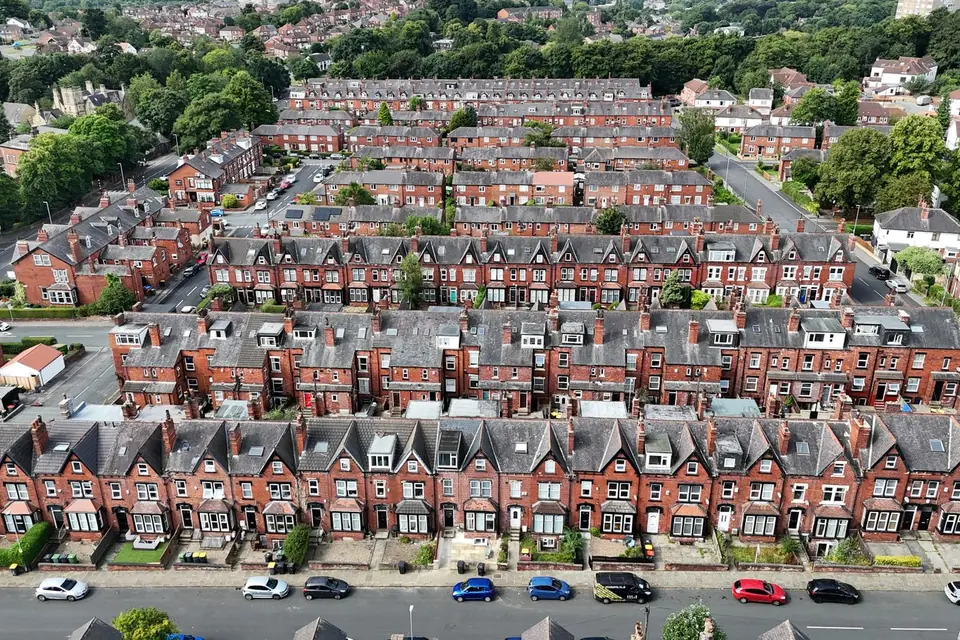
The Great British Insulation Scheme closed on 31 March 2026 and takes no new applications. It ran from April 2023 and paid for one insulation measure, usually loft or cavity wall, for homes in Council Tax bands A to D in England (A to E in Scotland and Wales) with an EPC of D or below, and unlike ECO4 nobody in the house had to be on benefits. By the end it had installed 139,100 measures in 100,900 homes. This page keeps the detail of what GBIS covered, because some companies still mention it, and sets out what is still open in 2026.
Who qualified for GBIS?
Homes in Council Tax bands A to D in England, or A to E in Scotland and Wales, rated D to G. The General Group needed no benefits; the Low-Income Group took households on a means-tested benefit in any band.
| Requirement | Detail |
|---|---|
| Council Tax band | A to D in England (A to E in Scotland and Wales) |
| EPC rating | D, E, F, or G |
| Benefits required? | No |
| Property type | Owner-occupied or privately rented (with landlord permission) |
Read the detail
GBIS had two groups.
General Group (no benefits required)
This was the key difference from ECO4: the General Group had no income or benefits test.
Low-Income Group
Households on a means-tested benefit, broadly the same qualifying benefits as ECO4, could use the Low-Income Group whatever their Council Tax band.
What did GBIS cover?
One measure per home, mostly cavity wall insulation, loft insulation or heating controls. Measured in real homes, cavity wall insulation saves a 3-bed semi about £105 a year and loft insulation £28.
| Measure | Measured gas saving | Annual saving, 3-bed semi |
|---|---|---|
| Loft insulation, including room in roof | 3.2% | £28 |
| Cavity wall insulation | 12.0% | £105 |
| Underfloor insulation | Not measured separately | About £70 (Energy Saving Trust estimate) |
Read the detail
GBIS funded single measures rather than the whole-house approach of ECO4. Cavity wall insulation made up 37% of the 139,100 measures installed, loft insulation 28% and heating controls 25%. The table shows what the main insulation measures save, as the government has measured it in real homes.
The data behind this table
Measured savings from DESNZ NEED Impact of Measures 2026: the median fall in gas use in homes that had the measure, applied to a 3-bed semi using 11,000 kWh of gas a year at the October to December 2026 cap rate of 7.97p per kWh. These are what homes like yours typically saw, not the most you could save; a bare loft saves more than a top-up. Underfloor figure from the Energy Saving Trust.
How did GBIS differ from ECO4?
GBIS needed no benefits and paid for a single measure; ECO4 needs a benefit or council referral and funds a whole-house package. GBIS closed on 31 March 2026, and ECO4 runs to 31 December 2026.
| Feature | GBIS | ECO4 |
|---|---|---|
| Benefits required? | No (General Group) | Yes for owners and private tenants (or a council Flex referral); not for social housing rated E to G |
| Approach | Single measure | Whole-house retrofit |
| Measures | Mostly insulation, plus heating controls | Insulation, heating, controls, and in some homes heat pumps or solar |
| Closing date | Closed 31 March 2026 | 31 December 2026 |
| EPC requirement | D, E, F, or G | D to G if you own, E to G if you rent |
Read the detail
With GBIS closed, ECO4 is the supplier-funded route left, until 31 December 2026.
GBIS closed on 31 March 2026
The scheme ended as planned. Nothing replaced it like for like: its insulation work folds into the government's Warm Homes Plan, the £15 billion programme published in January 2026. ECO4 still runs to 31 December 2026 for households on qualifying benefits. Check what you qualify for with our grant eligibility checker.
What can you still get in 2026?
ECO4 until 31 December 2026, the Warm Homes: Local Grant in England and the Boiler Upgrade Scheme. The £15 billion Warm Homes Plan is the successor, rolling out in phases.
| Scheme | Who it is for | What it pays for | Deadline |
|---|---|---|---|
| ECO4 | Households on qualifying benefits, social housing rated E to G, or households referred by the council under flexible eligibility | Insulation, heating and controls as a whole-house package | 31 December 2026 |
| Warm Homes: Local Grant | Low income households in England (under £36,000 gross, a listed benefit, or an eligible postcode), privately owned or privately rented, EPC D to G | Insulation, solar panels and an air source heat pump where suitable, at no cost to owner occupiers | Through councils, delivery to 31 March 2028 |
| Boiler Upgrade Scheme | Property owners in England or Wales replacing fossil fuel or electric heating, no income test | £7,500 off a heat pump, or £9,000 for oil or LPG homes with no mains gas until 31 March 2027 | Open to 2030 |
| Warm Homes Plan | The successor programme, open to households at every income level | £15 billion to upgrade up to 5 million homes by 2030 | Rolling out in phases |
Read the detail
GBIS is closed, but three routes to free or subsidised insulation are open, and a fourth is coming.
The data behind this table
Scheme rules from GOV.UK and Ofgem, checked 25 September 2026. The Warm Homes: Local Grant is run by councils, so both the eligibility route and the waiting list depend on where you live.
Step 1: Check your EPC rating on GOV.UK. ECO4 and the Warm Homes: Local Grant are both aimed at homes rated D or below, and the certificate is what an installer works from.
Step 2: Run our grant eligibility checker. It covers ECO4, the Boiler Upgrade Scheme, the Warm Homes: Local Grant and the Scottish, Welsh and Northern Irish schemes in one pass.
Step 3: If you are on a qualifying benefit, contact your energy supplier or council about ECO4. If you are not, and you live in England, apply for the Warm Homes: Local Grant through GOV.UK or your council, and ask whether the council can refer you into ECO4 under flexible eligibility.
Step 4: If nothing fits, price the work yourself. The Energy Saving Trust puts loft insulation at about £750 for a bare loft and cavity wall insulation at about £2,200. On measured savings both take many years to pay back at full price, which is why the funded routes matter, though a bare loft saves more than the typical figure. Our insulation calculator gives the saving for your own home.
Frequently asked questions
Did I need to be on benefits for GBIS?
No. The General Group was open to homes in Council Tax bands A to D in England, or A to E in Scotland and Wales, with an EPC of D or below. That was the key difference from ECO4. The scheme closed on 31 March 2026.
Is GBIS still open?
No. The Great British Insulation Scheme closed on 31 March 2026 and no new applications are accepted. The Warm Homes Plan brings supplier schemes to a close. ECO4 runs to 31 December 2026, and in England the Warm Homes: Local Grant runs through councils until 31 March 2028.
What replaced the Great British Insulation Scheme?
Nothing replaced it like for like. For households on benefits, ECO4 runs until 31 December 2026. In England, the Warm Homes: Local Grant funds insulation for households under £36,000 gross, on a listed benefit or in an eligible postcode, through councils. Use our grant checker.
Data sources
Scheme status comes from Ofgem and the Warm Homes Plan, and delivery figures from DESNZ statistics. Measured savings come from DESNZ NEED and costs from the Energy Saving Trust.
Show every source
Scheme status from Ofgem and the Warm Homes Plan. Delivery figures from the DESNZ Great British Insulation Scheme statistics, June 2026. Measured savings from DESNZ NEED Impact of Measures 2026. Costs from Energy Saving Trust, 2026.