How to Get Free Loft Insulation in the UK
The short answer
- Free through ECO4 until 31 December 2026 if someone claims a qualifying benefit and you own a home rated D to G
- Below £31,000 household income can qualify through your council's ECO4 Flex, and in England the Warm Homes: Local Grant can help too
- About £750 for a bare loft or £600 for a top-up if you pay, and a typical 3-bed semi saves £28 a year
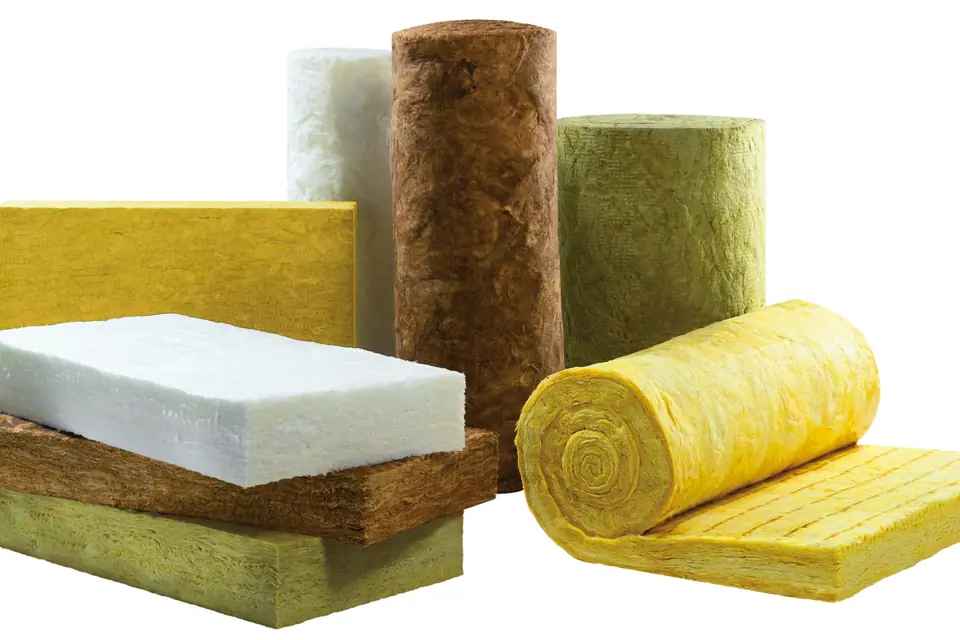
The ECO4 scheme funds free professional loft insulation for eligible households in England, Scotland and Wales until 31 December 2026. If someone in your household receives a qualifying benefit and you own a home rated D to G, or rent one privately rated E to G, you can get your loft insulated to 270mm at no cost. Social housing rated E to G qualifies without a benefit, and in England the council-run Warm Homes: Local Grant can also fund loft insulation. Paying yourself, the Energy Saving Trust puts a bare loft at about £750. This guide explains exactly who qualifies, how to apply step by step, and what to do if you do not receive benefits.
Do you qualify?
Yes, if someone claims a qualifying benefit and you own a home rated D to G, or rent privately rated E to G. Without benefits, councils can refer households below £31,000 through ECO4 Flex, and England's Warm Homes: Local Grant goes up to £36,000.
| Qualifying benefit | Income condition |
|---|---|
| Universal Credit | Any amount |
| Pension Credit (Guarantee Credit or Savings Credit) | Any amount |
| Income Support | Any amount |
| Income-based JSA | Any amount |
| Income-related ESA | Any amount |
| Housing Benefit | Any amount |
| Child Benefit | Household income below a limit: £19,900 to £34,500 for a single parent, £27,500 to £42,000 for a couple, rising with the number of children |
Read the detail
There are three routes to free loft insulation: the ECO4 benefits route, the ECO4 Flex route through your council, and in England the Warm Homes: Local Grant.
Benefits route (most straightforward)
You qualify if you or someone in your household receives one of these benefits and your home is rated D, E, F or G if you own it, or E, F or G if you rent it privately:
The data behind this table
A private tenant needs the landlord's permission. Social housing rated E to G qualifies on the property alone, through your council or housing association. Tax credits ended in April 2025, so they no longer count.
Check your property's EPC rating on the GOV.UK register. A home rated C or above does not qualify for ECO4. If you do not have an EPC, the assessment will establish the rating.
ECO4 Flex route (no benefits required)
If you do not receive qualifying benefits, your local council can refer you through ECO4 Flex. The most common route is a gross household income below £31,000. Councils can also refer households through a set of low income proxies, on health grounds, or through their own targeting. The EPC rules are the same: D to G if you own, E to G if you rent privately, though the low income proxy route needs E to G for owners too. Flex does not cover social housing.
Councils decide whether to take part and how actively they promote it. It is always worth asking your council's housing or environmental health team.
Warm Homes: Local Grant (England, no benefits required)
In England, councils also run the Warm Homes: Local Grant until 31 March 2028. It can fund loft insulation as part of a package for owner occupied or privately rented homes rated D to G, where household income is below £36,000, someone claims a listed benefit, or the home is in an eligible postcode. Apply through GOV.UK or your council.
Use our grant eligibility checker to see which route is available to you.
Check before paying for DIY
Professional loft insulation costs about £750 for a bare loft or £600 for a top-up, and doing it yourself takes time and care. ECO4 covers it with professional installation and ventilation checks. If there is any chance you qualify, check first.
How do you apply?
Contact your council or an energy supplier taking part in ECO4. They check your benefit and EPC, an assessor visits, and a loft is usually done in a day; never pay a fee for ECO4 work.
Read the detail
Step 1: Check your eligibility. Confirm you receive a qualifying benefit (or ask your council about Flex). Check your property's EPC rating on GOV.UK. Use our grant eligibility checker as a starting point.
Step 2: Contact your council or an energy supplier taking part. GOV.UK suggests asking your council whether it is in the scheme, or contacting a participating energy supplier directly; Ofgem publishes the list. Installers must be on the TrustMark register. Ask specifically about "ECO4 loft insulation".
Step 3: Eligibility verification. The installer or supplier checks your benefit status (usually by seeing a recent benefit letter or checking with DWP) and confirms your property's EPC rating.
Step 4: Property assessment. A qualified retrofit assessor visits your home. They check the existing insulation depth, inspect for damp or asbestos risk, assess ventilation, and determine what work is needed.
Step 5: Installation. If approved, the installer schedules the work, which for a loft is usually done in a day. The installer lays mineral wool to 270mm, fits eaves ventilation trays, insulates the loft hatch, and lags any exposed pipes. You do not need to be in the loft or do anything other than provide access.
Step 6: Completion. The installer provides a handover pack with details of what was installed and any warranties. A new EPC should be arranged to confirm the improvement. Your home is now warmer and your bills lower.
Never pay for ECO4 work
Free means free. Do not pay an upfront fee, deposit, or "admin charge" for ECO4 insulation. Legitimate installers verify eligibility and carry out the work at no cost to you. Be wary of cold callers or door knockers asking for money. Check any installer on the TrustMark register.
What does free loft insulation include?
Mineral wool laid to 270mm, with eaves ventilation trays, hatch insulation and pipe lagging. Paying yourself, the Energy Saving Trust puts professional loft insulation at about £750 for a bare loft and £600 for a top-up.
Read the detail
Free ECO4 loft insulation includes mineral wool rolls laid to 270mm (the recommended depth), eaves ventilation trays to prevent condensation, loft hatch insulation, pipe lagging for any exposed pipes in the loft, and a post-installation check. The work complies with PAS 2035 quality standards and the installer must be TrustMark registered.
If you were paying yourself, the Energy Saving Trust puts professional loft insulation at about £750 for a bare loft and £600 for a top-up. For more on what is involved, read our DIY loft insulation guide, which covers the same process in detail.
How much will you save?
About £28 a year for a typical 3-bed semi on gas, or about £280 over 10 years. That is the measured median, mostly from top-ups, so a bare loft saves more.
| Property type | Annual saving (gas heating) | 10-year saving |
|---|---|---|
| Detached house (3 bed) | £30 | £300 |
| Bungalow (3 bed) | £29 | £290 |
| Semi-detached (3 bed) | £28 | £280 |
| End-terrace (3 bed) | £26 | £260 |
| Mid-terrace (3 bed) | £25 | £250 |
| Flat (2 bed) | £18 | £180 |
Read the detail
The data behind this table
Source: DESNZ NEED Impact of Measures 2026. Homes in England and Wales that had loft insulation fitted between mid-May 2023 and mid-May 2024 used a median 3.2% less gas, across 1,486 homes, most of them top-ups. Applied to each home's gas use in our heat model at average insulation, at the Ofgem cap gas rate of 7.97p per kWh for October to December 2026. This is what homes like yours typically saw, not the most you could save: a bare loft saves more than a top-up, and many homes take part of the gain as warmth.
The measured saving is modest, but when the insulation is free there is nothing to pay back, and a bare loft does better than the typical top-up. Over 10 years a typical 3-bed semi saves about £280 at today's prices. Use our insulation savings calculator for your own figure.
Can ECO4 cover more than the loft?
Yes, the assessor looks at the whole house. You may also get cavity or solid wall insulation, underfloor insulation, a boiler replacement or heating controls at no cost.
Read the detail
If you qualify for free loft insulation, you may also qualify for other ECO4 measures at no cost. The scheme takes a whole-house approach, and the assessor will identify everything your property needs. Additional measures may include cavity wall insulation, solid wall insulation, underfloor insulation, a boiler replacement, and heating controls.
A full package can include much more expensive work, such as solid wall insulation at about £12,000 to £15,000 for a 3-bed semi. Read our complete ECO4 guide for the full list of eligible measures and how the whole-house assessment works.
What if you do not qualify?
Pay about £750 for a bare loft or £600 for a top-up, or buy the materials and do it yourself. The installation carries 0% VAT until 31 March 2027, but payback is slow, so check the free routes first.
Read the detail
If you cannot access ECO4, loft insulation is still one of the cheapest and best-value home improvements available.
DIY installation means buying the materials and doing the work yourself. Read our step-by-step DIY guide.
Professional installation costs about £750 for a bare loft or £600 for a top-up (Energy Saving Trust), with 0% VAT on the installation until 31 March 2027.
On the measured median saving, a professional job takes many years to pay back in money alone, so the free routes are worth checking first; a bare loft pays back faster than a top-up. Read Is Loft Insulation Worth It? for the complete financial analysis. Check how long your existing insulation lasts before deciding whether to replace or top up.
Frequently asked questions
Can I get free loft insulation in the UK?
Yes, if you qualify. ECO4 funds it until 31 December 2026 where someone claims a qualifying benefit and you own a home rated D to G, or rent privately rated E to G; social housing rated E to G qualifies without a benefit. Your council can also refer you through ECO4 Flex, and in England the Warm Homes: Local Grant can fund it. Use our grant checker.
Who qualifies for free loft insulation?
Households on Universal Credit, Pension Credit, Income Support, income-based JSA, income-related ESA, Housing Benefit, or Child Benefit below an income limit, in a home with the right EPC rating. ECO4 Flex extends access through council referrals, most often for gross household income below £31,000.
How do I apply for free loft insulation?
Contact your council or an energy supplier taking part in ECO4; Ofgem lists them. They check your eligibility and arrange an assessment. There is no single government application form for ECO4. In England you can also apply for the Warm Homes: Local Grant through GOV.UK.
What if I do not receive benefits?
Ask your council about ECO4 Flex, which most often takes households with gross income below £31,000, and in England about the Warm Homes: Local Grant, which has an income route below £36,000. If no free route fits, professional loft insulation costs about £750 for a bare loft, or you can do it yourself.
When does the free insulation scheme end?
ECO4 ends on 31 December 2026 and the work has to be installed by then. The Warm Homes: Local Grant in England runs until 31 March 2028. Apply now rather than waiting.
Data sources
Eligibility comes from GOV.UK, the ECO4 Order 2022 and Ofgem, measured savings from DESNZ NEED, costs from the Energy Saving Trust and energy prices from the Ofgem price cap.
Show every source
ECO4 eligibility from GOV.UK, the ECO4 Order 2022, Schedule 1 and Ofgem's ECO4 Flex guidance for councils. Warm Homes: Local Grant rules from GOV.UK. Measured savings from DESNZ NEED Impact of Measures 2026. Costs from Energy Saving Trust, 2026. Energy prices from Ofgem price cap, October to December 2026. Installer standards from TrustMark.